


Carl Compton, a lifelong resident of Rhodhiss, N.C., is about to take one giant leap back in time.
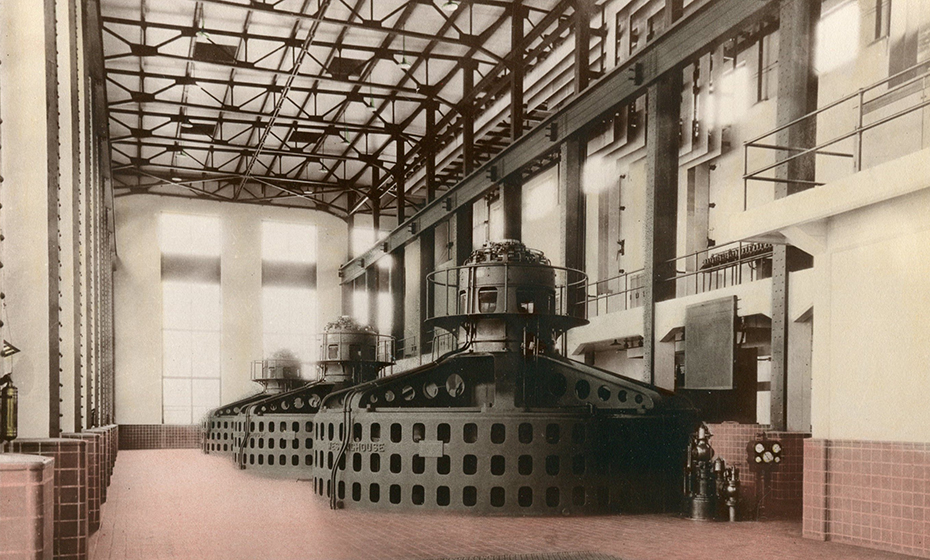
It’s been 70 years since the retired mill worker first stepped inside Duke Energy’s Rhodhiss Hydro Station – a facility that helped transform the tiny foothills town into a thriving regional textile capital.
Built in 1925 as part of the Catawba-Wateree hydro project, the station harnessed the power of the Catawba River to generate electricity for local textile mills.
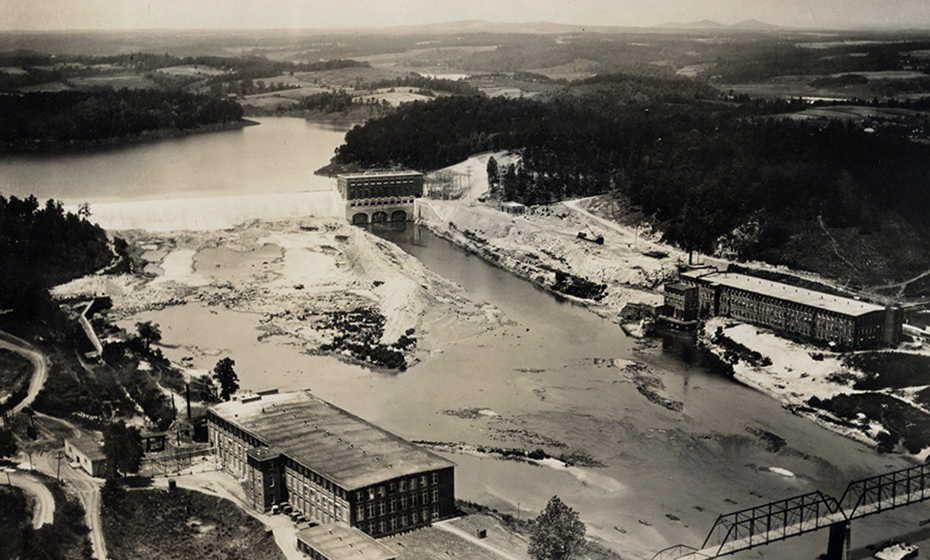
“It amazed me as a kid,” said Compton, 83, ahead of a public tour to mark the station’s centennial. “I haven’t been back since, and I’m anxious to see it."
After graduating high school in 1961, Compton repaired looms at Burlington Industrial Fabrics Company in Burke County. Electricity from Duke Energy’s hydro station enabled the production of synthetic materials like nylon and acrylic, which were used in blimps, parachutes, racing tires, and other industrial products.
The mill also supplied NASA with protective fabric used in the heat shields and nose cones for missiles. And employees like Compton were likely responsible for something truly out of this world: the material used to make the first flag planted on the moon.
“I was very proud to have a part in it,” said Compton, who worked at the mill until its closure in 1983. “Without the hydropower plant, I don’t believe there would be a Rhodhiss. It’s a big deal to us.”
The birth of a town – and an industry
The town of Rhodhiss was named for John Rhodes and George Hiss, who built the area’s first cotton mill in Caldwell County at the turn of the 20th century. (The Burke County mill, believed to have woven the moon flag, opened in 1914.)
In 1904, a year after the town was incorporated, Dr. Gill Wylie, James B. Duke and W.S. Lee began constructing dams along the Catawba River.
This investment helped transform the Carolinas, expanding its predominantly agricultural economy to also include manufacturing, retail and financial services.
Rhodhiss Hydro Station played a big role in expanding production when it came on line in 1925. The seven-story-deep dam, stretching the length of two football fields, made Rhodhiss one of the first fully electrified towns in the country.
Renewed pride for Rhodhiss
Just before the July 10, 1969, moon landing, NASA announced that the American flag headed to the lunar surface had been purchased at a Sears store near Houston, Texas. But mill workers in Rhodhiss heard a different story.
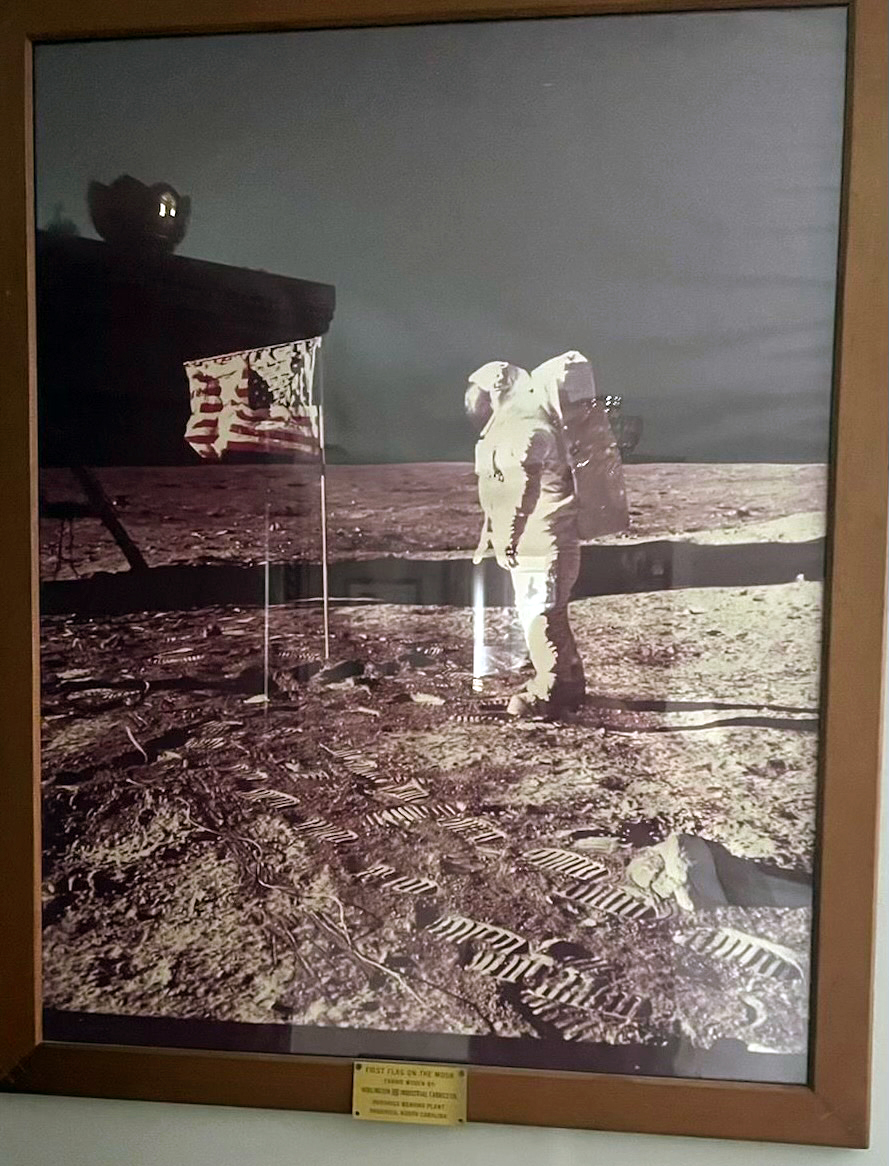
Soon after Astronauts Neil Armstrong and Buzz Aldrin planted the flag, a notice appeared on the mill’s bulletin board congratulating employees for their role in the Apollo 11 mission.
“I read the notice with my own eyes,” Compton said.
At the time, Burlington Industrial was one of the country’s largest fabric suppliers to flagmakers. The company even hosted a celebration in August for employees and their families, according to Sherrie Hartsoe Sigmon, author of “Weaving the Heart Threads of a Mill Village: Rhodhiss, North Carolina.”
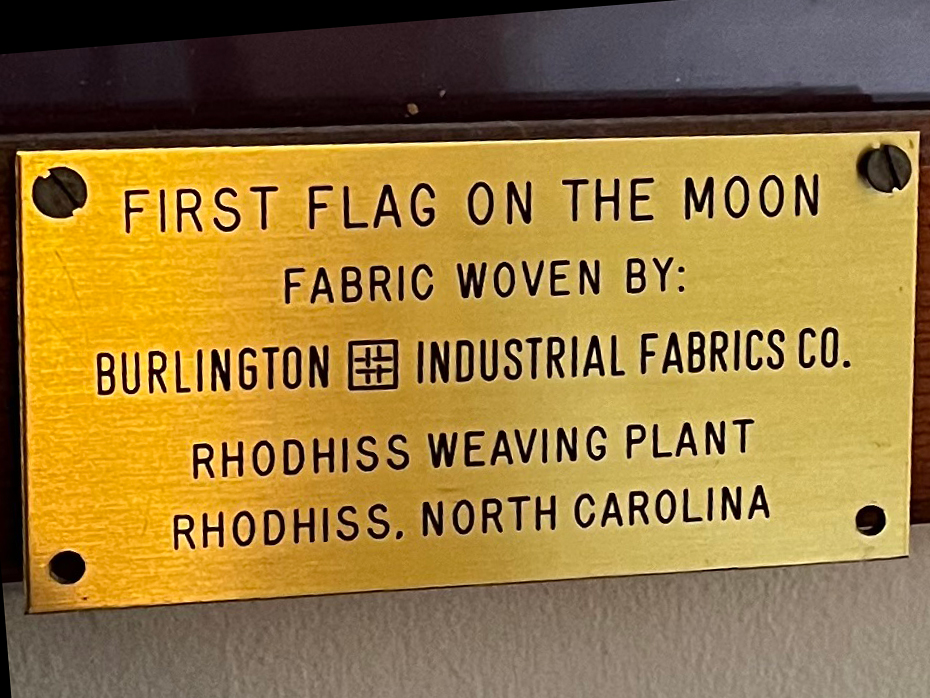
A framed photo of Aldrin with the lunar flag later appeared in the mill lobby. Though its origin remains unclear, the plaque in the photo credits the plant for weaving the lunar flag. And a 1995 visit from NASA’s George W.S. Abbey, then director of Johnson Space Center, seemed to confirm what the town has always believed to be true.
“Rhodhiss should take great pride in its many contributions to this nation’s space program,” he said.
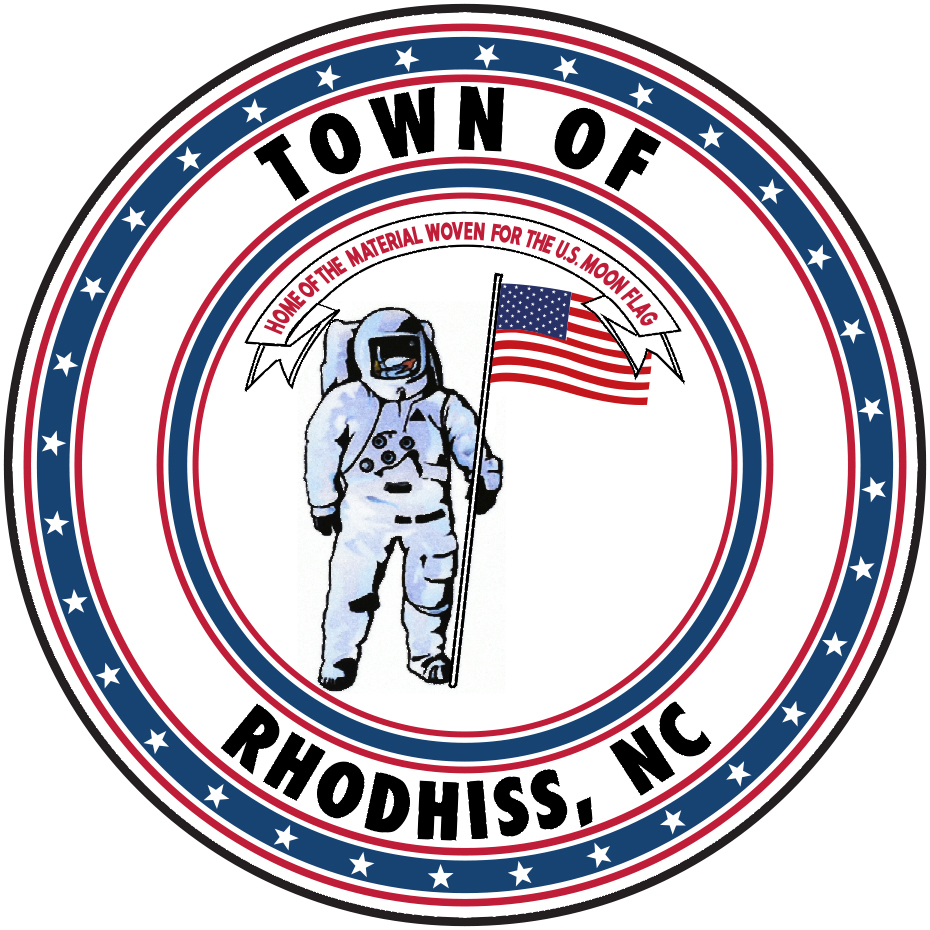
The visit renewed civic pride. The town adopted a new seal depicting an astronaut and a flag, and updated its welcome sign to read: U.S. Moon Flags Woven Here.
‘The rest of my life’
In 1978, 20-year-old Eddy Stephens was newly married and unemployed. His father-in-law, who worked at Duke Power (now Duke Energy), told him about an opening for a hydro operator at Rhodhiss – someone responsible for inspecting, repairing and keeping the station running around the clock.
Stephens still remembers his first day, and the deafening sound of the generators as he parked his orange Volkswagen Beetle.
“When I heard you had one year to get up to speed and learn the operations,” said Stephens, 66, “my first thought was, ‘I’ll never learn everything about this place.’”
He did.
Stephens spent 19 years as a hydro operator and was promoted to hydro tech at age 39. “Once that happened,” he said, “I knew that’s what I wanted to be for the rest of my life.”
He spent more than 43 years with Duke Energy and became one of the station’s longest-tenured employees. Since retiring in 2022, he’s continued to support Duke Energy as a consultant.
Looking ahead
Today, Duke Energy is the second-largest investor-owned hydroelectric operator in the country, with a 3,800-megawatt fleet that can respond almost immediately to increased energy demand to keep power flowing for customers.
Now 100 years old, Rhodhiss Hydro Station is still serving customers with clean, reliable energy. While much of its original equipment is still in use, efficiency upgrades have enhanced its generating capacity – and the dam is stronger than ever.
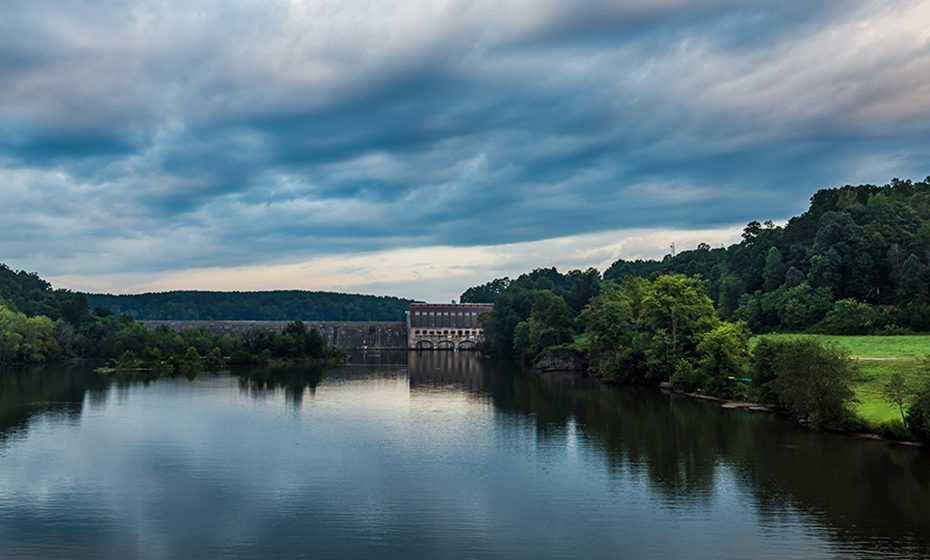
Beyond power generation, the hydro station supports both public recreation and the region’s water supply. Lake Rhodhiss provides opportunities to boat and fish, and clean drinking water for several North Carolina towns and cities.
Meantime, more than 40 years since it closed, the town of Rhodhiss is exploring ways to transform the shuttered Burke County textile mill into a downtown center with housing and a regional trail. And the project's working title leaves little doubt: The Old Glory Mill, in honor of the first flag on the moon.


