


Loading...
For more than five decades, Robinson Nuclear Plant has been a steady presence in Hartsville, South Carolina, quietly delivering clean, reliable electricity around the clock. With the U.S. Nuclear Regulatory Commission’s (NRC) approval of a subsequent license renewal , that legacy is now secured until 2050, ensuring Robinson can continue operating for another 20 years.
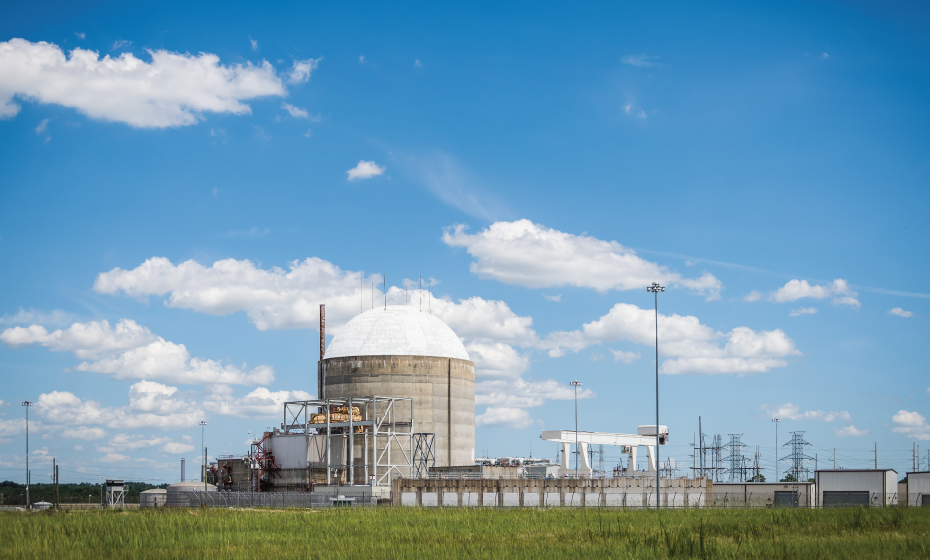
Robinson Nuclear Plant has safely powered the Hartsville community for more than 50 years—and is now licensed to keep doing so through 2050.
Nuclear facilities in the United States are licensed by the NRC through an extensive, science-based process that evaluates everything from equipment condition to safety programs, maintenance practices and emergency preparedness. Robinson first received its operating license in 1970, renewed it once to extend operations through 2030 and has now successfully completed a second rigorous review confirming the plant can safely operate through midcentury.
But beyond this regulatory milestone, Robinson’s story is woven into the fabric of the Pee Dee region.
A cornerstone of the local economy
Robinson is a major economic engine for Darlington County. Duke Energy is the county’s largest taxpayer, with its contributions directly supporting public services, schools and infrastructure that benefit the entire region.
The plant supports nearly 500 high-paying jobs and has invested $1.7 billion in capital equipment upgrades. And that investment extends to the community. Contractors and vendors travel into the area, stay downtown, eat at local restaurants and support small businesses. Their presence strengthens the local economy in ways that go far beyond the plant.
From an economic development perspective, the subsequent license renewal provides certainty. Knowing Robinson will operate through 2050 means long-term employment stability, continued tax base support and sustained infrastructure investment, all critical ingredients for a thriving community.
Powering generations
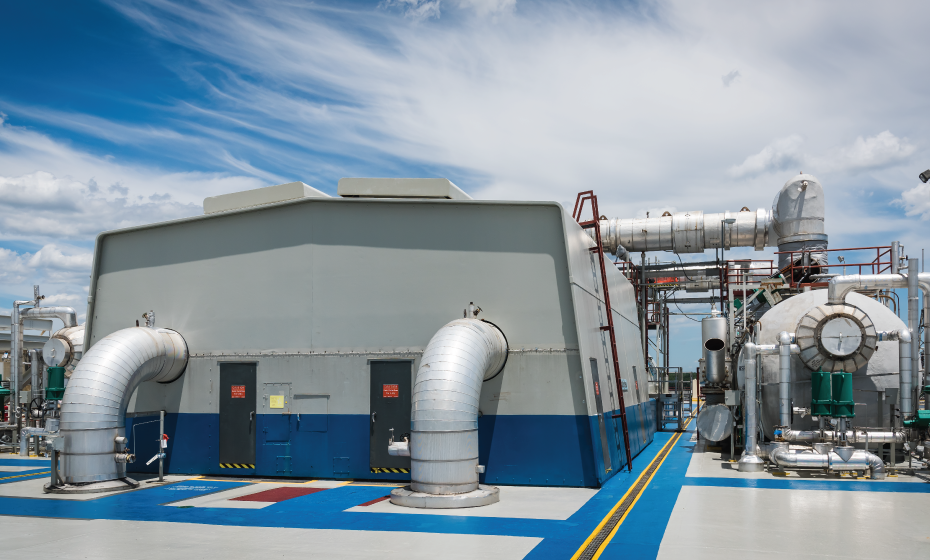
Duke Energy’s nuclear fleet provides about 51% of customers’ energy needs in the Carolinas.
For Matt McElveen, a senior reactor operator overseeing plant control room operations, Robinson’s history is personal. He grew up not far from the plant without realizing it was there. A summer internship interview led to a spontaneous plant tour, and that experience changed the trajectory of his career.
“It really opened my eyes to what was here and what the opportunities were,” said McElveen of his experience. “Up until that point, I always wanted to go into the medical field. But when I saw the work here and the people and the level of engagement, I knew that’s not where my future lied.”
Today, he’s proud that the subsequent license renewal creates similar opportunities for future generations. Young people can stay close to home, build meaningful careers and contribute to the same community that raised them.
Employees who invest where they live
One of Robinson’s most defining characteristics is the way its employees show up for the Hartsville community.
Robinson Nuclear Plant Fast Facts
- When it began operating in 1971, Robinson was the largest nuclear power plant in the world and the first commercial nuclear plant in the Southeast.
- Robinson produces 759 megawatts of electricity, enough energy to power half a million homes.
- Robinson is the second nuclear facility in Duke Energy’s fleet to receive a subsequent, or second, license renewal. Oconee Nuclear Station received its second license renewal in March 2025.
“[Duke Energy employees] are always actively seeking service opportunities, and I have honestly seen that throughout my lifetime that I’ve been in Hartsville.”
A future built on reliability
Securing operations through 2050 means Robinson will continue doing what it has done best for more than 50 years: providing safe, reliable, affordable energy while supporting the community that surrounds it.
As the Carolinas continue to grow and electricity demand increases, Robinson’s role as a clean, always-on energy source becomes even more important. But just as significant is the human impact, the volunteers and neighbors whose dedication makes Hartsville stronger.


