


Hydropower is one of the oldest, most efficient and responsive energy sources. With their quick startup times, hydroelectric plants can provide power to the grid immediately, powering customers reliably when energy demand is high.
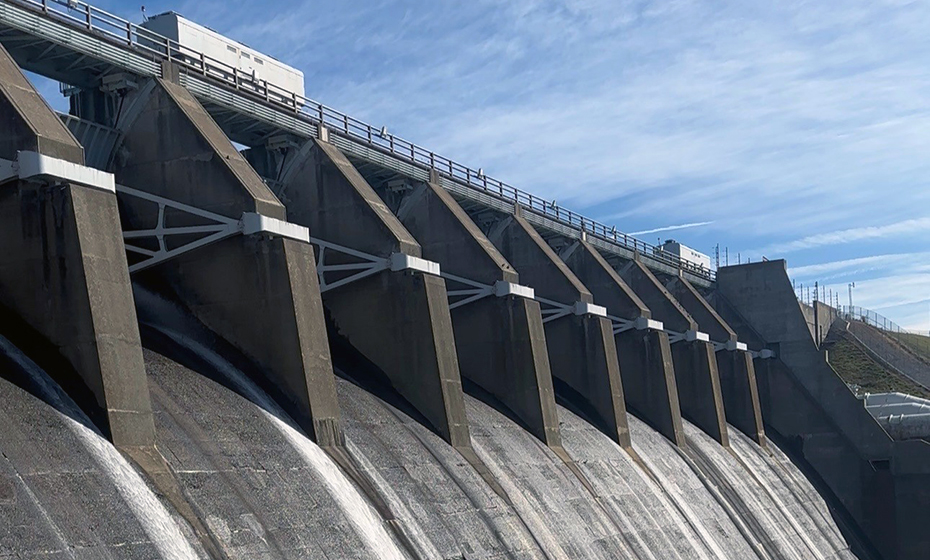
Duke Energy began its operations in the Carolinas as a hydroelectric company. Dr. Gill Wylie and W.S. Lee harnessed the waterpower of the Catawba River in 1904 to power the region’s textile mills. Over the next 60 years, the utility created lakes along the Catawba-Wateree River to generate more electricity.
The undertaking was the first of its kind in the U.S. It also drove growth, transforming the Carolinas' agricultural economy into an economic force with manufacturing, retail and financial services.
A versatile and dependable resource
Today, Duke Energy operates and manages 28 hydropower lakes within eight river basins in North Carolina and South Carolina to keep everything flowing. This intricate network supplies more than 3 million people with drinking water and ample opportunities for public recreation. While none of Duke Energy’s reservoir systems can be operated for flood control purposes, the network can help manage lake levels during significant weather events like floods and droughts.

Duke Energy is the country’s second-largest investor-owned hydroelectric operator, with a 3,800-megawatt (MW) fleet that can generate power in seconds to maintain system reliability in times of peak demand.
The company’s largest river basin, the Catawba-Wateree hydro project, supports 12 hydro stations and 11 lakes, including Lake Norman, which has one of the highest generating capacities in the Carolinas. The project – which spans more than 225 miles and covers another 1,800 miles of reservoir and island shoreline – provides more than 2 million customers with drinking water and enough renewable energy to power about 100,000 homes.
Other major river basins in the Carolinas with Duke Energy hydro stations include:
- Savannah: This basin in the Piedmont foothills of South Carolina is part of the Keowee-Toxaway project and Bad Creek project, and includes three reservoirs (Lake Keowee, Lake Jocassee and Bad Creek) and three hydro stations.
- Yadkin-Pee Dee: Includes two reservoirs (Lake Tillery and Blewett Falls Lake) and two hydro stations.
- Nantahala and Tuckasegee: Includes 10 reservoirs and seven hydro stations.
- Broad River, French Broad River and Pigeon River: Includes three reservoirs and three hydro stations (99 Islands, Marshall and Walters).
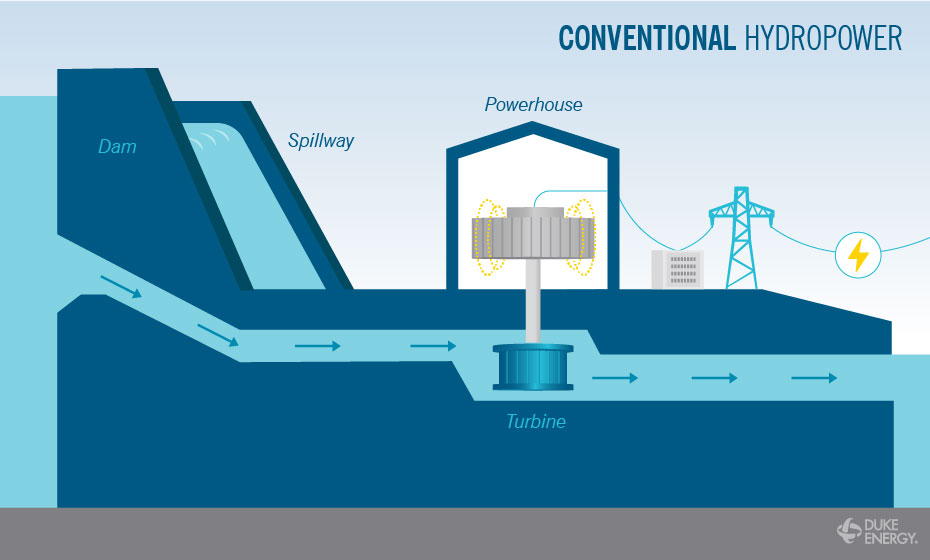
Each hydro generating station consists of three major components to create electricity: a dam, a powerhouse and a spillway.
The dam’s role is to create lakes. Based on customer demand, Duke Energy can raise or lower lake levels to move water to a powerhouse’s spinning turbine and generate electricity. When heavy rain causes a lake to overflow, a spillway can pass that excess water downstream while protecting the dam – essential for the safety of our communities.
An overflow spillway does this automatically, while a gated spillway holds back water until the gates are lifted. Spillways are instrumental in managing and mitigating flooding impacts, especially during major events like Hurricane Helene in 2024.
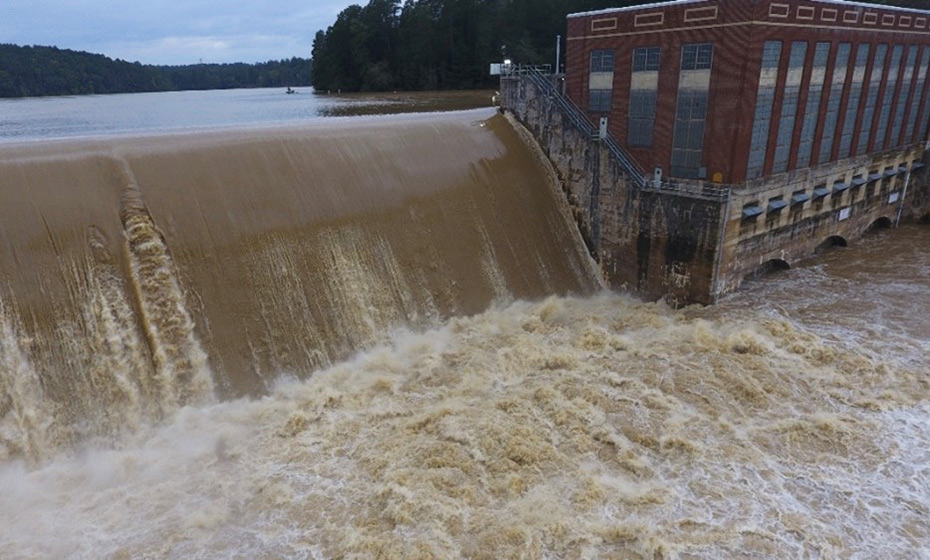
“Because most lakes are interconnected, the level of one lake can impact others downstream,” said Jeff Lineberger, general manager of Water Strategy, Hydro Licensing and Lake Services at Duke Energy. “That means every decision to release water requires constant monitoring and precise decision-making to best manage lake levels, flood potential and available water supply.”
Managing floods, droughts and downstream impacts
Behind the scenes for the last 25 years, Duke Energy’s Regulated Renewables Operations Center (RROC) has operated every hydro site from a central location in Charlotte, N.C. Because lake levels can change quickly, the team at the RROC keeps constant watch over its fleet, with a particular eye on potential storm events.
“Our remote operations and monitoring are a major safety enhancement,” said Bryan Walsh, vice president of the company’s Regulated Renewables team. “A few decades ago, we’d have to send crews to a dam to manually operate a gate in torrential rain and high winds. While there are still circumstances where this is necessary, our remote management capabilities are key – both from an efficiency standpoint and as a company that prioritizes safety.”

Lake neighbors – people from nearby homes and businesses, and those who frequent these areas to boat, fish, hike and more – can keep a pulse on current conditions via Duke Energy’s Lake View app. This free resource tracks fluctuations in water levels and provides real-time water access information and weather alerts.
Conversely, when drought conditions persist, Duke Energy can reduce flow releases to maintain water supplies longer, protecting essential water needs like drinking water, electricity production and water quality.
The company also coordinates with Drought Management Advisory Groups in some river basins so all stakeholders can work together to protect the shared water resource. “You can’t conserve your way out of a drought,” Lineberger said. “So, we work to slow down the water from leaving the lake system in order to buy time for rain to refill those lakes.”

In addition to the benefits of conventional hydro stations, pumped-storage plants function as large rechargeable batteries by storing energy and then releasing it when customers need power.
Duke Energy operates two such facilities in South Carolina – Jocassee in Pickens County and Bad Creek in Oconee County – which can quickly convert stored energy to electricity on cold winter mornings and hot summer days.
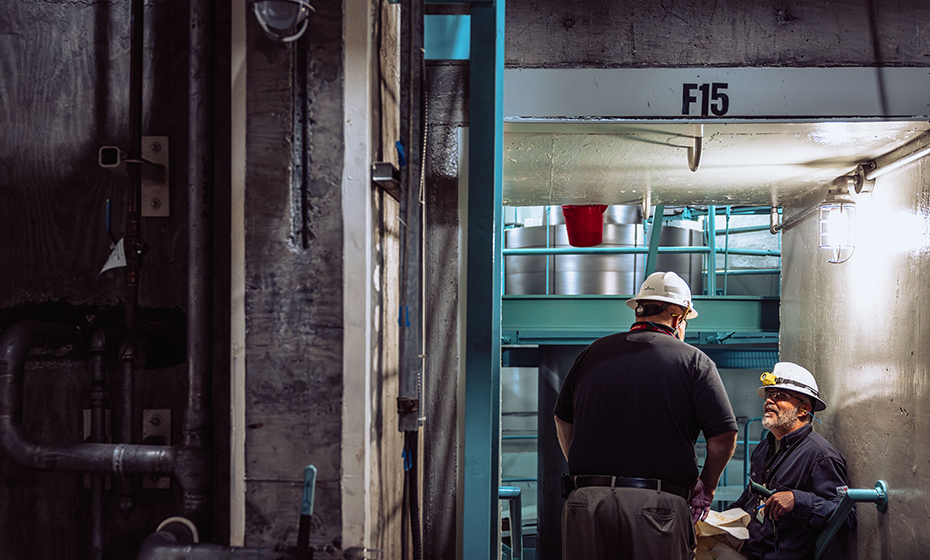
“They’re the best batteries you’ll ever find. We are basically moving water from one lake to another depending on customer demand,” Walsh said. “Together, hydro and pumped-storage generation can meet the inevitable load demand by supplementing other power sources like fossil fuels and nuclear.”
Major upgrades at Bad Creek Hydroelectric Station increased generation capacity and expanded service to an additional quarter-million Duke Energy customers in 2024.
“An asset like Bad Creek also allows us to integrate more renewables,” Walsh said of its ability to function as a rechargeable battery. "Solar is a great resource, but it must be paired with some sort of storage to maximize its value; we want to capture excess energy during the day, then feed that back to the grid when customers need it. And we believe Bad Creek serves that role extremely well.”
Opportunities for all to enjoy
Managing a large, intricate system of lakes isn’t limited to hydroelectric power generation and a healthy water supply.
In the Carolinas, it’s also fundamental to supporting about 20 million community recreation visits annually by providing improved access to activities like camping, boating, swimming, picnicking, fishing and water skiing.
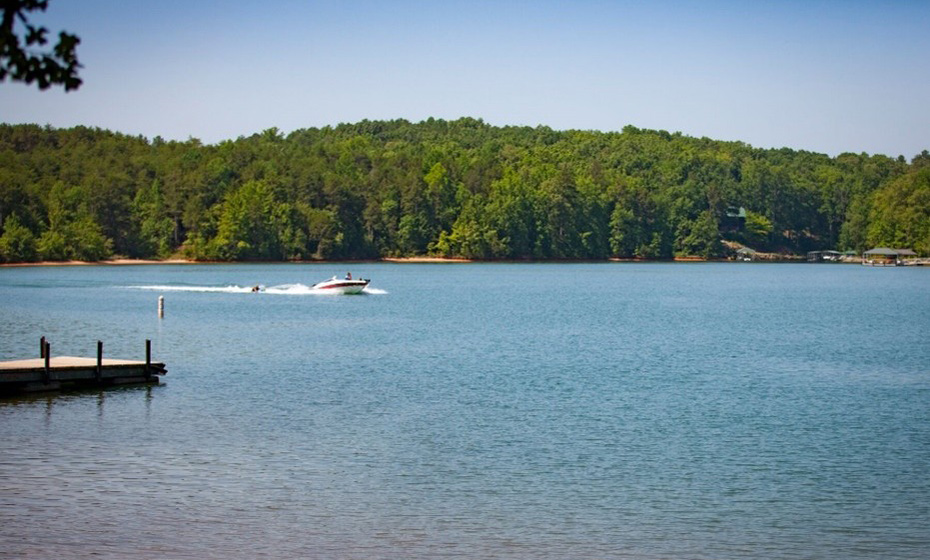
“The role of these hydroelectric projects is as much about community access and recreation as it is anything else,” Lineberger said. “If you go out and look at almost any one of these lakes during the summer, you will see thousands of families enjoying these shared water resources.”
Over the next decade, Duke Energy expects to build 14 more recreation sites and upgrade 19 others.
How license compliance makes it all possible
So, who owns the water? “We all do,” Lineberger said. “It’s a shared resource.”
Duke Energy’s authority to construct and operate its hydro fleet is a result of two things: property rights and a license from the Federal Energy Regulatory Commission (FERC), which licenses hydro projects to utilities and regulates the interstate transmission of electricity. In return, utilities must comply with land and water management requirements while investing in public recreation management and habitat enhancement and protection.
The FERC issues licenses for up to 50 years and authorizes Duke Energy to build and operate projects while managing flow releases and shorelines. The relicensing process requires at least five years of planning and collaborating with regulators and community stakeholders.
“Once you get the license, that’s when the real work starts,” said Lineberger, whose team oversees hydro license compliance.
“That’s when we get to make sure our use of a public resource is in the best public interest,” he said. “These hydro reservoirs are the enablers for our region to look and function the way it does today.”


