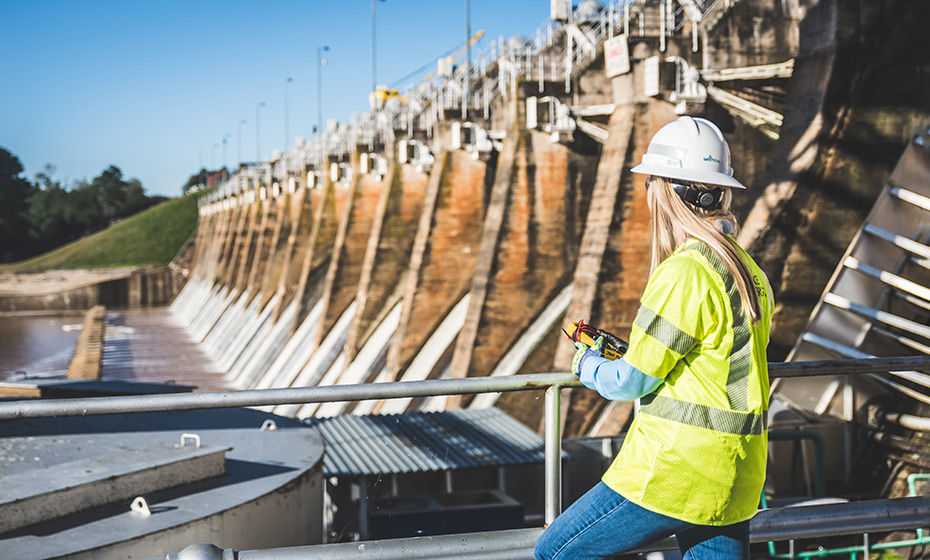
The Carolinas we know today are shaped by Dr. Gill Wylie's desire to turn water into electricity – a feat he achieved with the engineering prowess of William States (W.S.) Lee.
With backing from millionaire industrialist James B. Duke, Lee began designing a series of dams along the Catawba River to power the region’s burgeoning textile industry. This early 1900s investment helped transform the Carolinas, expanding its predominantly agricultural economy to also include manufacturing, retail and financial services.
“Not only can we do hard things – we excel at it and have a strong track record of meeting our customers’ needs at pivotal moments.”
– Harry Sideris, president and CEO of Duke Energy
Lee is credited with designing 32 hydroelectric facilities and was the first to design a system for long-distance power transmission. This “system of systems” connected power stations along South Carolina’s Catawba River and channeled energy to the state’s northern neighbor, helping power textile mills and other industries.
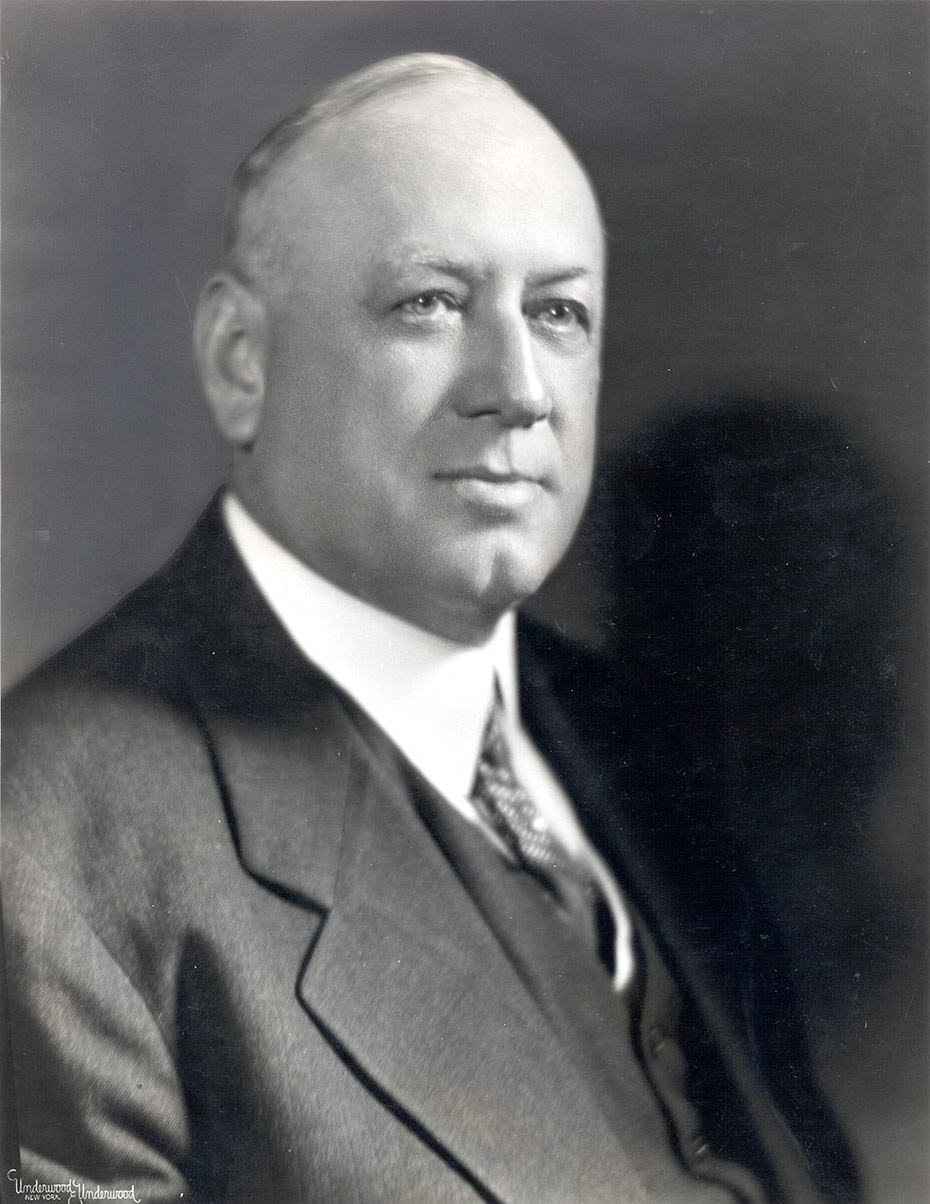
“We wouldn’t be who we are without William States Lee,” said Dan Morrill, consulting director of the Charlotte-Mecklenburg Historic Landmarks Commission. “He had the vision of the interconnected power grid that Duke Energy developed.”
These contributions played a crucial role in shaping what is now Duke Energy, helping it grow from a small regional power provider into a company that would power not only the Carolinas’ development, but the lives and businesses of 8.4 million electric utility customers in six states.
“W.S. Lee had a tremendous impact on our company as well as our community. His leadership in expanding hydroelectric infrastructure and navigating economic challenges helped ensure long-term stability,” said Harry Sideris, president and CEO of Duke Energy. "He set forth the foundation that we continue to build upon and grow upon today, and now more than 120 years later, it’s become the fabric of the communities we serve, and we take pride in that.”
A graduate of The Citadel in 1894 with a degree in civil engineering, Lee was posthumously inducted into The Citadel Academy of Engineering in 2025.
Building a smarter energy future
Today, Duke Energy maintains the operations of 10 of the plants engineered by Lee. And just as his work helped bring electricity to new industries and economies, the company remains focused on providing reliable service and supporting the communities that depend on it.
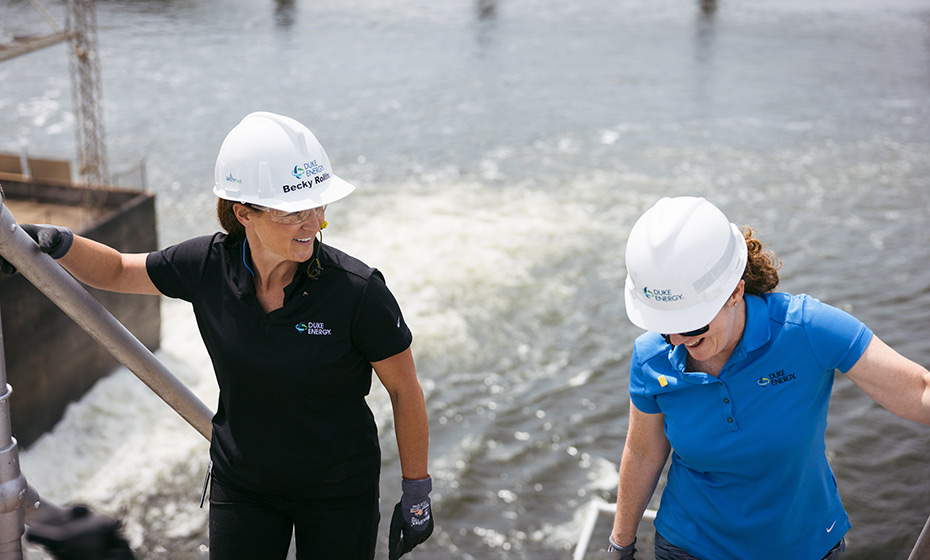
Energy needs are rising across all Duke Energy-served communities, but especially in the Carolinas where economic development successes and population growth are driving the need for a lot more electricity.
“Our company’s founders had the foresight to build power plants that would fuel the rapid industrial growth of the textile mill and to think they did all of this without computers and technologic advancements,” said Preston Gillespie, executive vice president, chief generation officer and enterprise operational excellence.
“Today, Duke Energy is faced with a similar challenge – transforming and modernizing our system to meet unprecedented growth and opportunity due to the renaissance of U.S. manufacturing, artificial intelligence and electrification.”
‘The best in the business’
Lee’s impact was not just about building power plants – it was about taking on difficult challenges and finding ways to move forward. “The easy job never interested me,” he once said, a mindset that is still valuable today.
“The energy industry is important and complex work, and Mr. Lee wasn’t intimidated by challenges that might have stopped others,” Gillespie said. “In fact, I suspect it was the challenge that kept him at it, and, in the end, his ingenuity influenced the entire Catawba River Valley. It is a legacy that is second to none.”
Lee’s ability to lead through uncertainty and focus on practical solutions continues to influence how Duke Energy approaches its work.
“We have a world-class workforce – 26,000 of the best in the business,” Sideris said. “When I look at our employees, I see an uncompromising spirit of service and determination, and of commitment to our customers – the same spirit that built this company.”
While the industry continues to change, the company’s focus remains the same: working hard, innovating through challenges and making investments to reliably serve customers both now and in the future.