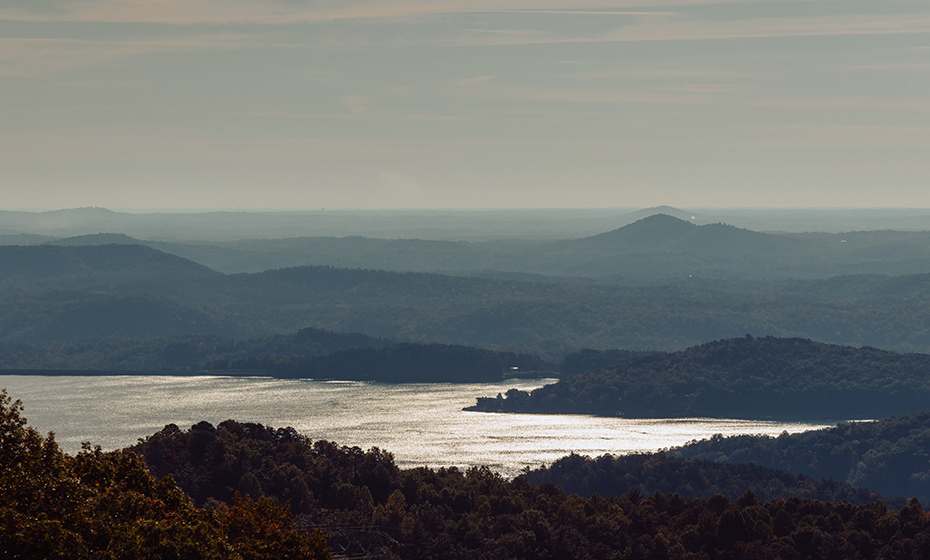
The final screw has been turned on a plant modernization project at one of the most powerful and flexible energy generation and storage assets on Duke Energy’s system: Bad Creek Hydroelectric Station in Oconee County, S.C.
The 164-foot-tall, four-level powerhouse is situated in the foothills of the Blue Ridge Mountains. But you wouldn’t know this from visiting the area. It’s hollowed into a mountain, 600 feet underground, accessible via a tunnel that was created by drilling through rock – the kind of thing you’d see in a Steven Spielberg film.
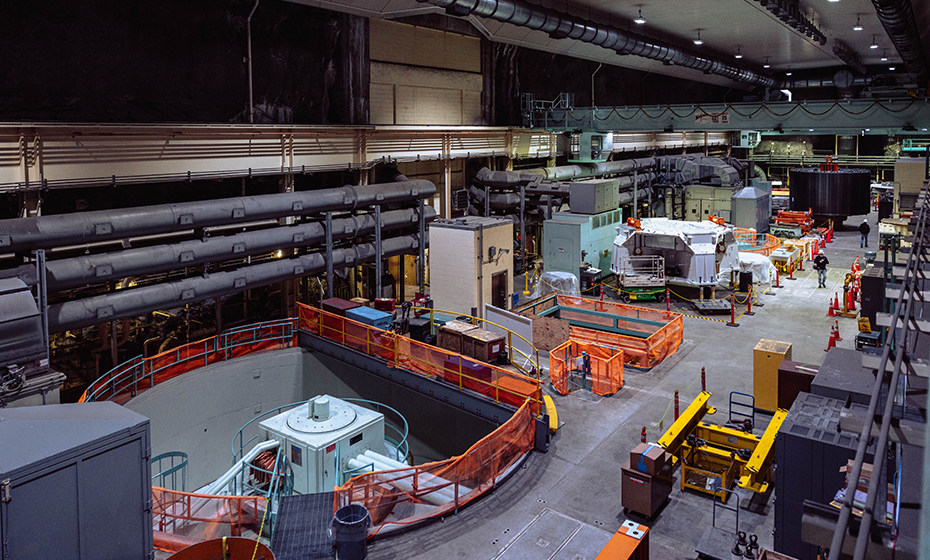
Using gravity to its advantage – the elevation difference between its upper reservoir where water is stored and Lake Jocassee below – Bad Creek operates like a massive battery, quickly generating electricity or storing energy based on customer demand.
Over five years, each unit was taken apart, then reassembled with more powerful and efficient components – a project that increased Bad Creek’s generating capacity by 320 megawatts (MW), enough to serve about 250,000 more Carolinas customers.
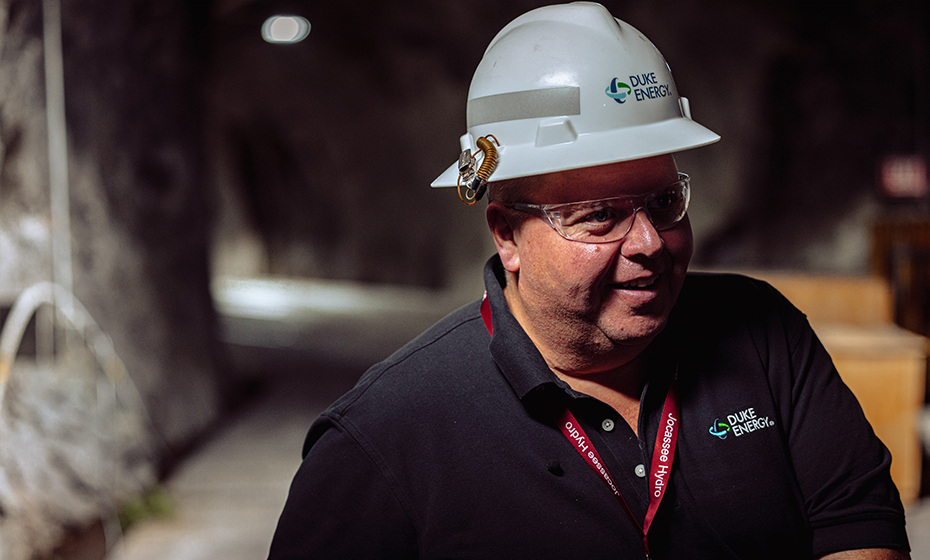
“After 30 years in operation, the plant required its first major maintenance outage,” said Preston Pierce, general manager for Hydro West at Duke Energy. “We had a choice in that we could disassemble all the units, recondition the parts and reassemble it, a lot of work to have the same output as before. Or we could invest in new turbines and more modern components to increase Bad Creek’s ability to store and generate energy.”
Duke Energy made the extra investment. The units were upgraded in phases, adding 80 MW of capacity to each new pump turbine. As a result, Bad Creek can generate a total of 1,680 MW, a 20% increase. It can also consume about 1,500 MW of excess energy to refill the upper reservoir when demand for electricity is low.
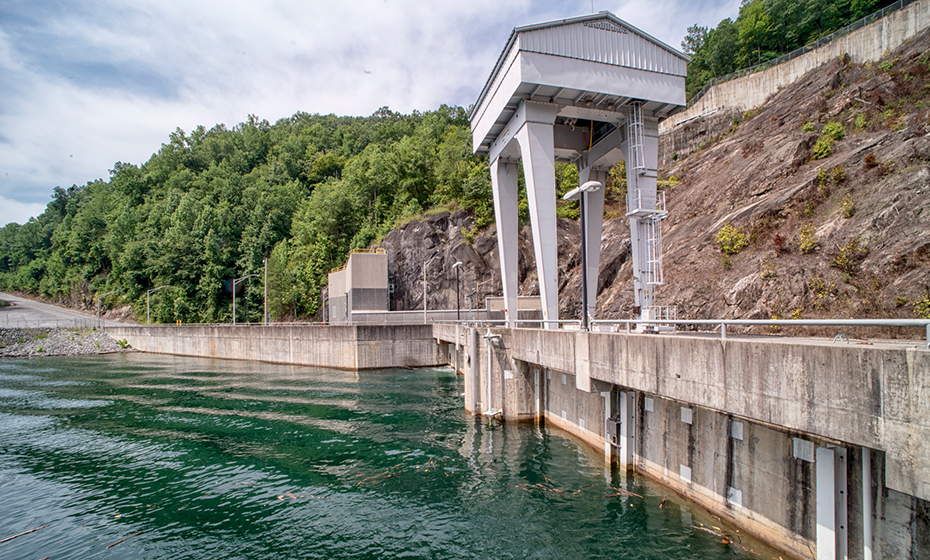
“The technological advancements in our hydraulic design put us in a position to be on the leading edge to help decarbonize our fleet,” Pierce said. “That’s exciting, no matter where you live in North Carolina or South Carolina.
“I’m also excited to see what else the future holds. Bad Creek can be a central part of what we’re doing in the Carolinas.”
Powering Carolinas’ energy growth
Bad Creek’s upgrades come at a time when Duke Energy is mapping out a plan to meet increased energy needs in the Carolinas, one of the fastest-growing regions in the country.
“From population growth to the expansion of manufacturing and other major economic development wins, the Carolinas are booming,” said Mike Callahan, Duke Energy’s South Carolina president.
As energy needs increase, so does the demand for cleaner energy sources. Duke Energy is prioritizing investments in new generation that will maintain reliability with fewer emissions, with plans to relicense its nuclear and hydro fleet to make the most of its existing system resources.
In addition to the ongoing effort to relicense Bad Creek, the company is evaluating an opportunity to expand operations at the Oconee County site. A second underground powerhouse of equal size would roughly double the existing power generation and storage (pumping) capacity of the facility.
‘The great integrator’
Most hydroelectric facilities rely on a flow of water to turn the blades of a turbine, which spin a generator, creating electricity that is fed onto the power grid. A pumped-storage hydro plant differs in that: When demand for electricity is high, a rush of water spins turbines as it moves from an upper reservoir to a lower one. When electricity demand is low, the turbines work in reverse, pumping water from the lower reservoir back to the higher one. It’s like a rechargeable battery.
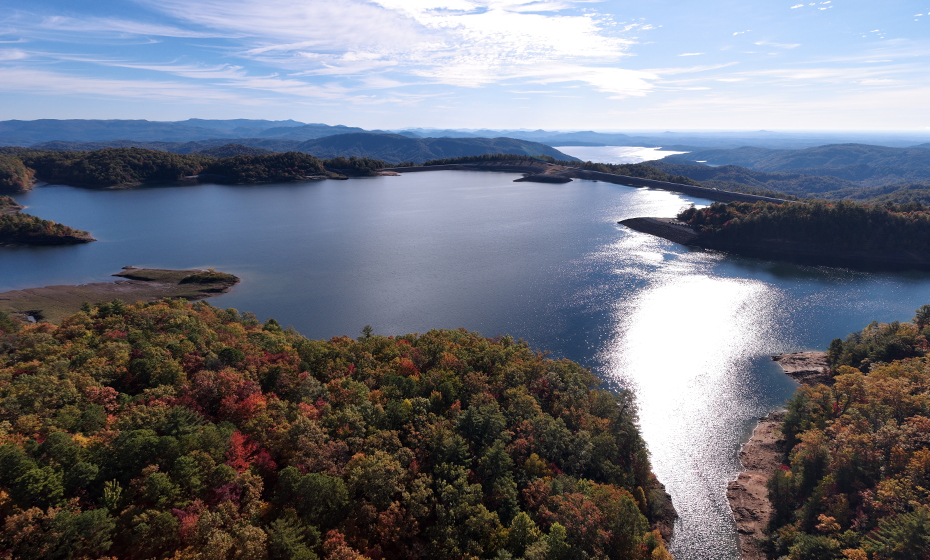
Bad Creek, in operation since 1991, was first envisioned as a weekly cycling facility. It would generate electricity for six hours each weekday (when power demand was high). Then it would run in reverse and refill the upper reservoir on weekends (when customers used less power). In the years that followed, operations transformed in tandem with the larger energy mix.
“As our system has evolved,” Pierce said, “we’ve turned Bad Creek into a facility that cycles between pumping and generating multiple times each day to maximize the effectiveness of the energy asset.”
This change is in response to a significant increase in the amount of solar energy Duke Energy and others have added in the Carolinas in recent years. Solar energy is variable; the energy output from an array of solar panels varies based on the position of the sun, cloud cover and more. Pumped-storage hydro power plants like Bad Creek are ideal matches to the ebbs and flows of solar output.
“Bad Creek is the great integrator,” Pierce said. “It’s able to store excess energy during off-peak times, then put it back on the system when it’s needed. As a result, our system operates at higher levels of efficiency while keeping costs lower for customers.”
“Our hydroelectric legacy is as storied as our company itself,” Callahan added. “Putting the Upstate’s vast natural resources to use, while being incredible stewards of the environment, has helped fuel unprecedented growth in the state. It’s a great place to live.”