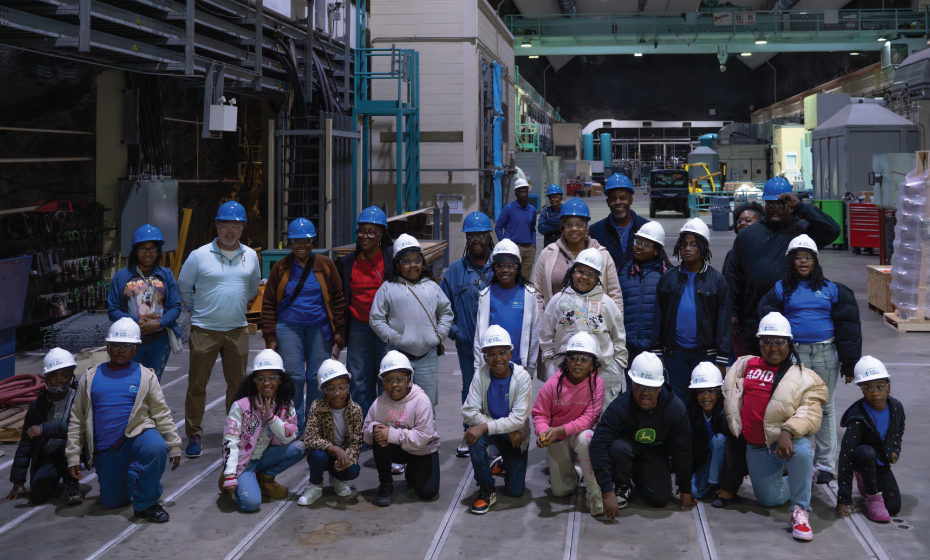
For 18 kids from Clarendon County, S.C., what wasn’t to love about their day of discovery at two of Duke Energy’s main attractions?
At World of Energy in Seneca, S.C., in the shadow of the Oconee Nuclear Station, they made a model of an atom using candy and toothpicks. Then they ate the finished product (minus the toothpicks, of course).
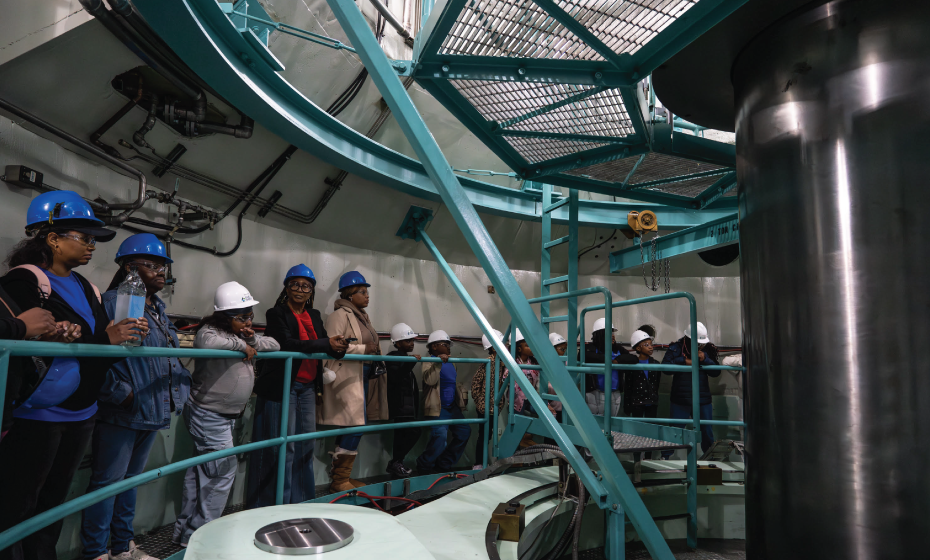
Fourteen miles away at the Bad Creek Hydroelectric Station in Salem, S.C., the students traveled underground to see the Duke Energy powerhouse, where water is turned into power. The 164-foot-tall, four-level powerhouse is hollowed into a mountain, 600 feet underground, accessible via a tunnel that was created by drilling through rock.
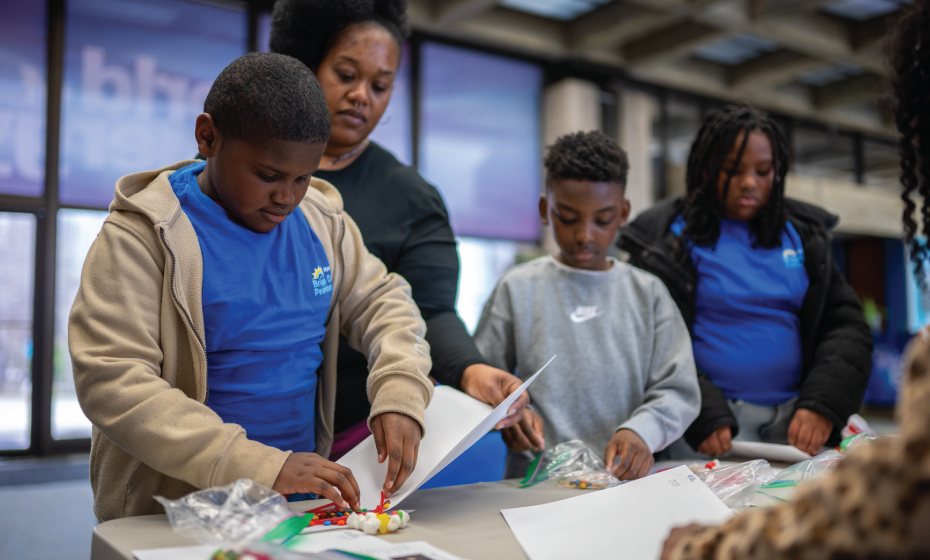
All of it, said 10-year-old Durell James Jr., was a blast. Or as he put it, “I love things that I never knew before. This was fun.”
From candy atoms to clean energy
More than a blast, the hands-on experience in spring 2026 was a way to open young eyes to the world of energy and the many careers that are available at an electric utility like Duke Energy.
The industry is evolving. A skilled workforce that’s reflective of the communities Duke Energy serves is needed to shepherd its growth and efficiency. For these and other kids, early exposure can help capture the attention of the next generation.
Research shows career interests form early, yet many students – especially those in rural areas like Clarendon County – may lack exposure to STEM careers or technical role models. Experiences like this help close that gap by making energy human and relevant, from powering communities to driving innovation and economic growth.
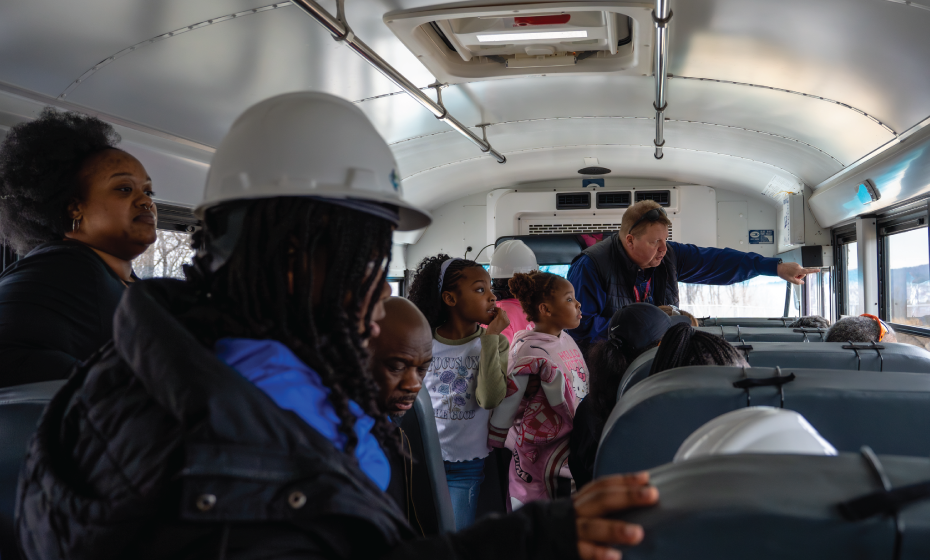
“Here they learn something about science, technology, engineering and math,” said Preston Pierce, Bad Creek tour guide and general manager for Hydro West at Duke Energy. “You never know what happens from there.”
Duke Energy serves millions of customers across the Carolinas and beyond, including through facilities like Oconee and Bad Creek.
Opening young eyes to what's possible
A day in the mountains of Upstate South Carolina, 140 miles southwest of Charlotte, N.C., arose from a partnership between Duke Energy and the Briggs-De Laine-Pearson (BDP) Foundation.
The foundation focuses on Clarendon County, where the poverty rate hovers around 20%. To help address the needs of children, the nonprofit built a 4,000 square foot educational center in Summerton, S.C., to provide after school care and tutoring.
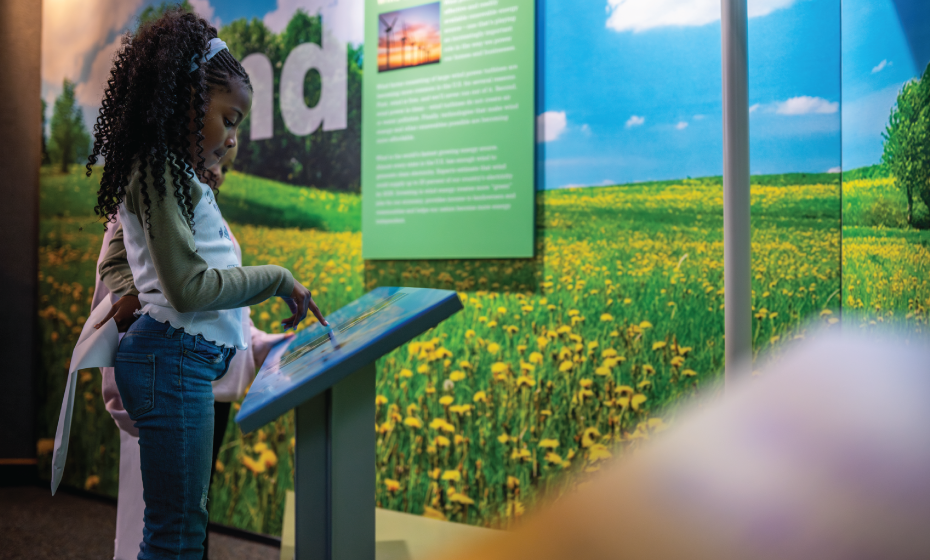
Eighteen students ages 7 to 12 were joined on the Duke Energy tour by several parents, teachers and foundation board members. Among them was Vice Chairperson Celeste “Cleet” Boykin, a Clemson University alumna recognized for her professional achievements and volunteer leadership in the D.C. area.
She was also the one snapping pictures and smiling at the deeper meaning of the day.
“To give them an opportunity to broaden their horizons? To experience things they haven’t had the opportunity to experience? Oh, wow.”
Beginning their day, the students spilled out of a bus and into World of Energy. Duke Energy education liaison Nathan Stephens made for a great quizmaster, handing out keychains anchored by faux light bulbs to those who offered up the right answer.
Where does solar power come from?
That one was easy.
Where does nuclear power come from?
No winners there, leaving Stephens to reveal the answer – uranium-235. He told his young audience that one uranium-235 fuel pellet possesses as much energy as 5,000 pounds of wood. And those pellets make clean energy.
The students were impressed.
On the way up to 2,310 feet, a bald eagle glided overhead. Unaware that Lake Jocassee, a reservoir built by Duke Energy on land once home to Cherokee Indians, is pristine and popular with outdoors lovers, one student asked a good question.
“Can you still fish the lake?”
Yes you can.
Inside the mountain, a spark of possibility

Durell James appreciated the importance of the day enough to join his sons, Durell Jr., 10, and Omar, 8. A construction worker, he is aware of the challenges his community faces to provide jobs and opportunities. He hopes that learning about Duke Energy will give his sons something new and hopeful to think about as they continue the journey toward adulthood.
Before the tour began, Durell Jr. said he was thinking about becoming a lawyer and moving to Texas.
And now?
Standing in the World of Energy, the 10-year-old’s father answered for him, “Maybe this is something he might want to get into.”