


This story is part of The Energy Within, a series that aims to shed light on the people and behind-the-scenes work that make Duke Energy tick. Stories also appear on many of Duke Energy’s social media platforms.
When Aron Wallace joined Duke Energy in 2020 as a drone pilot, he stepped into a program that was helping transform the way the company worked. What began as a small, three-person proof of concept in 2017 quickly grew, and today, Wallace is part of a team using drones to make field operations safer, faster and more cost effective for Duke Energy and its customers.
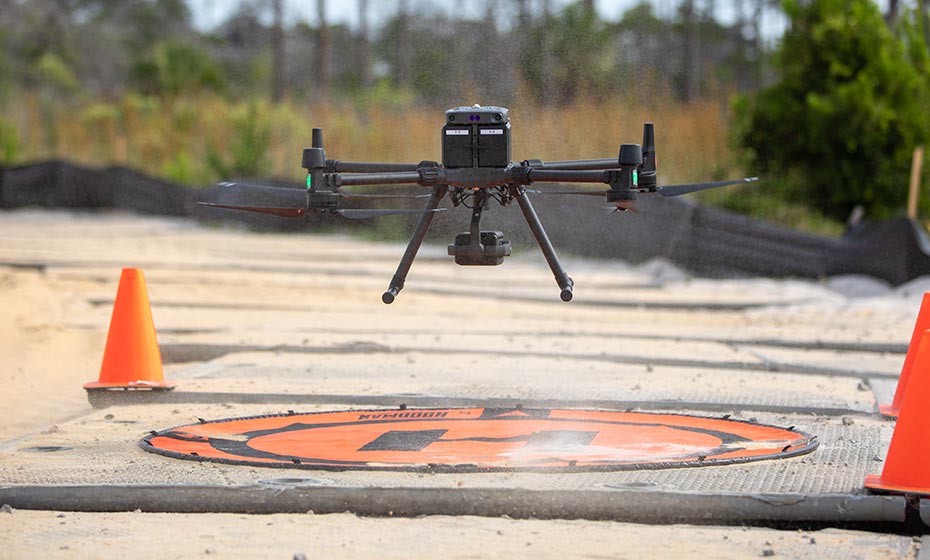
“What excites me most is helping employees across Duke Energy do their jobs better, whether that means making their work safer or improving the quality of inspections,” Wallace said. “The technology is evolving constantly, and it’s thrilling to see how it keeps maturing.”
A tool for safer work
The drone program is organized into teams focused on different aspects of Duke Energy’s operations. These range from inspecting distribution and transmission lines and substations to tackling specialized tasks like thermal imaging, interior inspections and helping crews set up equipment in hard-to-reach places. After each flight, data analysts review the footage to identify potential issues and share their findings with field supervisors, helping crews work smarter and safer.
For Wallace, the safety impact is one of the program’s most important benefits. Many inspections at power plants once required workers to climb, enter confined spaces or navigate hazardous terrain. Now, drones handle much of that work.
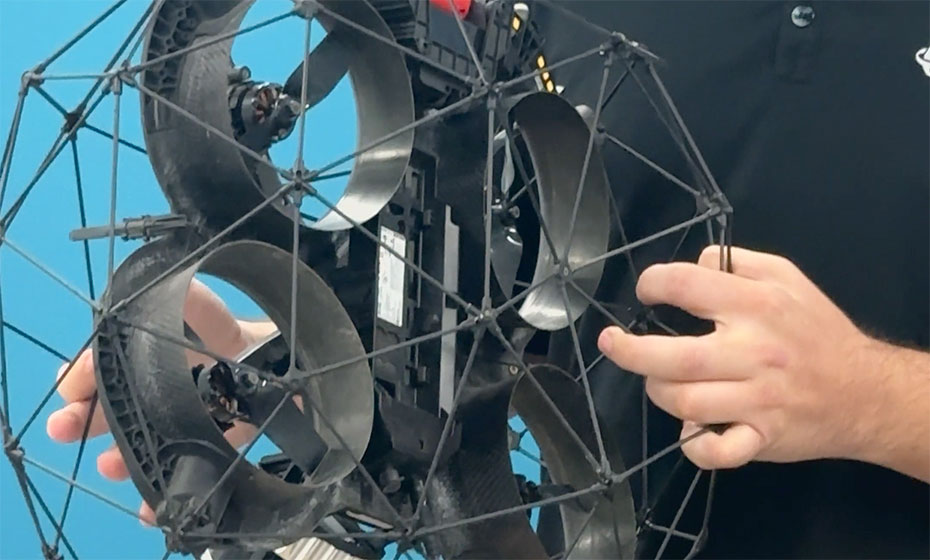
Specialized drones can inspect boilers, pipes and containment domes, capturing high-resolution video and thermal images. In the past, those inspections required scaffolding – a time-consuming process that could keep a plant offline for days. Now, the same job can be done in an hour or two, with better results and less downtime.
The drone team also helps with environmental sampling. Instead of sending teammates out on boats, a large drone that can lift up to 12 pounds is used to collect water samples, keeping employees safe and streamlining compliance efforts.
And in transmission work, drones assist with line setup by flying lightweight, high-strength cord across rivers, ravines and highways. This initial line serves as a guide, helping crews position the equipment needed to pull conductors into place.
“Not only does this save time and money, it means fewer workers need to cross hazardous environments,” Wallace said.
Faster storm response
Storm recovery is another area where drones make a difference. Before severe weather, Wallace’s team positions pilots in strategic locations. As soon as it’s safe, they can deploy drones to help assess damage and identify safe routes for lineworkers in flooded or blocked areas.
They can even stream live video to operations centers so that damage assessors can determine what equipment is needed before crews arrive. This all speeds up restoration and helps teams restore power to customers more quickly.
Wallace recalls one moment following Hurricane Helene when community members stopped to watch his team fly in some of the most devastated areas of the Carolinas.
“Even though we were just operating drones, people were genuinely thankful,” he said. “That stuck with me.”
From mapping to maintenance
Drones support every stage of Duke Energy’s solar operations. They help map the land before construction, capture progress photos during the build and then scan for faults once a site is online.
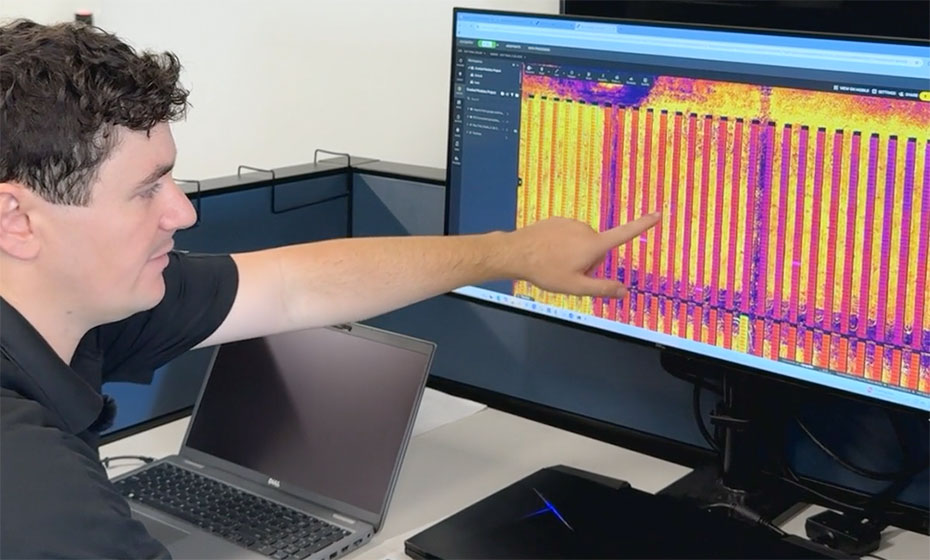
Using infrared cameras, drones can detect panels that are hotter than they should be, indicating a fault. Each image has GPS data so technicians can find and fix issues quickly.
A manual inspection of a large solar site could take days, Wallace said. With drones, the same job takes just a couple of hours. This keeps solar sites productive and downtime minimal.

The drone fleet has a range of tools that can be swapped out depending on the job – from high-zoom lenses and wide-angle cameras to infrared sensors and mapping technology that works even through tree cover and tall grass. Some cameras are so precise that they can detect details as fine as hairline cracks in concrete.
Measurable value for the company
Each use case for drones has a cost and safety benefit. By reducing the need for scaffolding, boats or manual line pulls, drones cut labor hours and limit downtime. Faster inspections and damage assessments make for quicker repairs and fewer outages. It all contributes to maintaining reliable, valuable service for customers at the lowest cost possible.
Wallace says that feedback from colleagues reinforces the value.
“When someone tells you, ‘You saved us so much time,’ or ‘You really saved my back on that one,’ it’s incredibly rewarding,” he said.


