


But that’s only part of the story. Year-round, they build, maintain and upgrade poles, transformers and power lines to strengthen and modernize a system that meets evolving customer needs and growing demand.
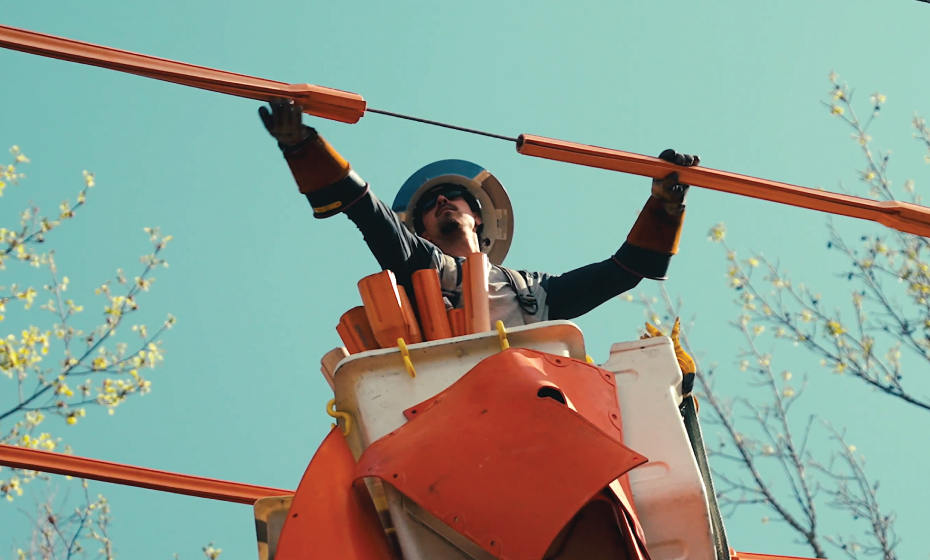
Line teams also modernize the grid by installing smart devices, sensors and automation that help identify issues faster, isolate damage and pinpoint repair locations to speed restoration and safely bring more customers back on line. These upgrades help limit the number of customers affected and shorten outages, contributing to more reliable service.
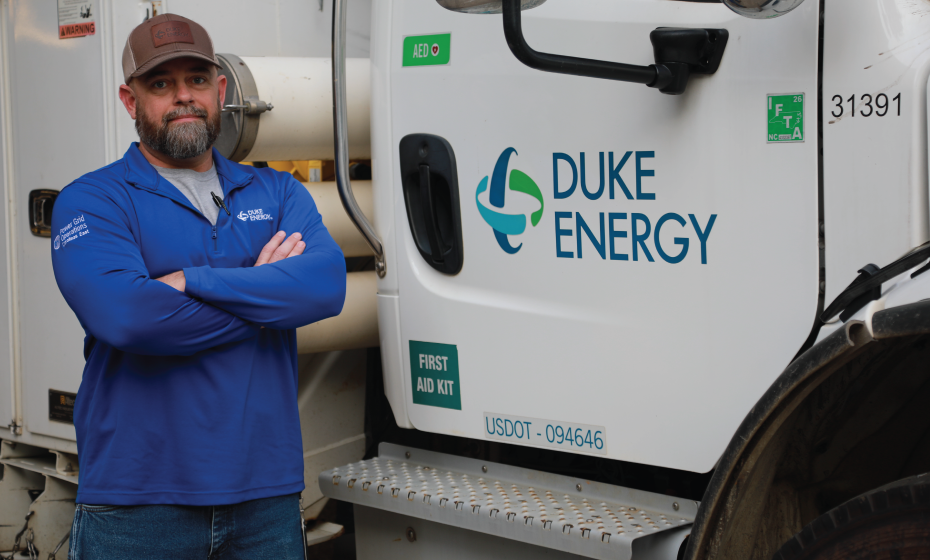
Clynt Walter, a supervisor at Duke Energy’s Fort Mill Operations Center in South Carolina, oversees a team of lineworkers whose behind-the-scenes grid work is part of a daily routine.
We recently spent time with Clynt and his team during a pole replacement in Lancaster, where he discussed how upgrades like these support the grid, his career in the utility industry, and what it means to be on the front lines at a pivotal moment for energy.
Q: Clynt, can you start by telling us about your role and how long you’ve been with Duke Energy?
A: I’m an operations supervisor, and I’ve been with Duke Energy for 15 years this month.
What about this work is most rewarding for you?
At first, it was working with my hands, being outside and doing something different every day. Now, in a supervisory role, I’m still close to the work but also involved in planning, logistics, training and leading a team. It’s challenging, but I’m still very connected to what first drew me into this job.
Having worked both as a lineman and now as a supervisor, what does the responsibility of the job mean to you?
We have a big responsibility to our customers. Reliable electricity is something people might not always think about, but there’s a lot of behind-the-scenes work that goes into keeping the lights on. Much of it goes unseen, but it’s essential for our customers and our communities.
We recently watched your team replace a utility pole. Can you explain why that work is important?
That pole was approaching the end of its life, so we replaced it proactively. By doing that work now, it reduces the chance of the pole breaking or falling during a storm and should serve the community for decades before it needs to be replaced again.
Does your crew think or talk about how your work will impact the nearby community?
Absolutely. We’re always thinking about how the work impacts customers. Sometimes we cut power to work safely, so we focus on minimizing disruption. For the Lancaster job, we were working near a school zone, which added another layer of responsibility. Safety for students, bus traffic and families was a big priority. We’re constantly looking for ways to work efficiently and safely while limiting impacts to customers.
Building the lineworker talent pipeline
Duke Energy partners with local community colleges and training centers to help prepare the skilled workforce needed to power communities now and into the future.
- 22 community colleges and training centers across five states
- $4+ million invested by the Duke Energy Foundation since 2020
- 5,000+ graduates from partner programs between 2022–2025
People often don’t realize how much work goes into replacing just one pole. What would you want customers to understand about that effort?
There are a lot of poles out there, and the only way to tackle that kind of work is one at a time. We focus on doing each one safely and correctly before moving on to the next. It’s a massive effort when you look at the full scope, but every single pole we replace strengthens the grid and helps improve reliability.
How do projects like the one in Lancaster connect to the bigger picture of modernizing the grid?
Modernizing the grid isn’t always about brand-new technology you can see right away. Sometimes it’s about making sure the foundation is strong. Pole replacements, storm hardening and infrastructure upgrades all play a role in building a more resilient grid for the future.
There’s a lot of conversation right now about this being a pivotal moment for the energy and utility industries, with unprecedented investment and change underway. From where you sit in linework, do you and your team feel that shift happening? Does this moment feel different?
Yes, it definitely does. We’re doing much more proactive work now. More lines are being reconducted, and we’re using newer technologies that just weren’t available when I started in the industry. Even over the last couple of decades, the advancement in technology and the way we think about how we operate have shifted significantly. We can all feel the importance of this moment.
What would you say to the next generation of lineworkers who are considering a career in this industry?
It can be a very rewarding career. There will always be a need for lineworkers. If you enjoy being outside, working with your hands, and being able to step back at the end of the day and take pride in something you built, repaired or maintained, this is absolutely the right career. The sense of accomplishment makes the hard work worth it.


