


Duke Energy has reached a significant milestone in its plans to meet growing demand for power across its service footprint: Oconee Nuclear Station received its subsequent license renewal in March, enabling its three units to continue generating clean, reliable energy into the 2050s.
Oconee is the first plant in Duke Energy’s nuclear fleet – and one of the first in the nation – to secure a second 20-year license extension, setting the stage for the company’s broader plan to renew the licenses of all 11 nuclear units in the Carolinas.
“Being able to run these plants beyond 40 years – and now up to 80 years – is crucial to our energy security,” said Rounette Nader, vice president of new nuclear generation and license renewal. "Just as home and business owners maintain their investments through improvements and regular maintenance, Duke Energy continuously implements new technology and other upgrades at its nuclear plants to keep them in good condition."
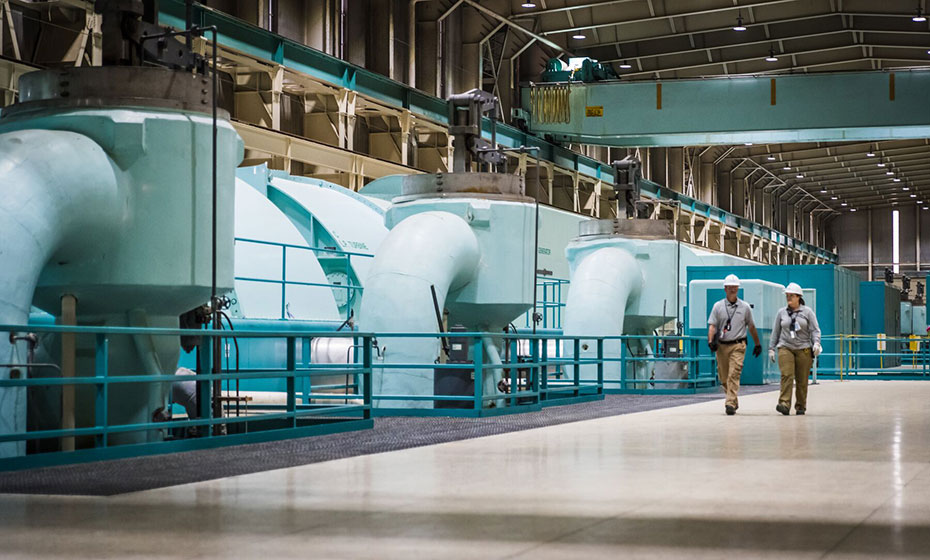
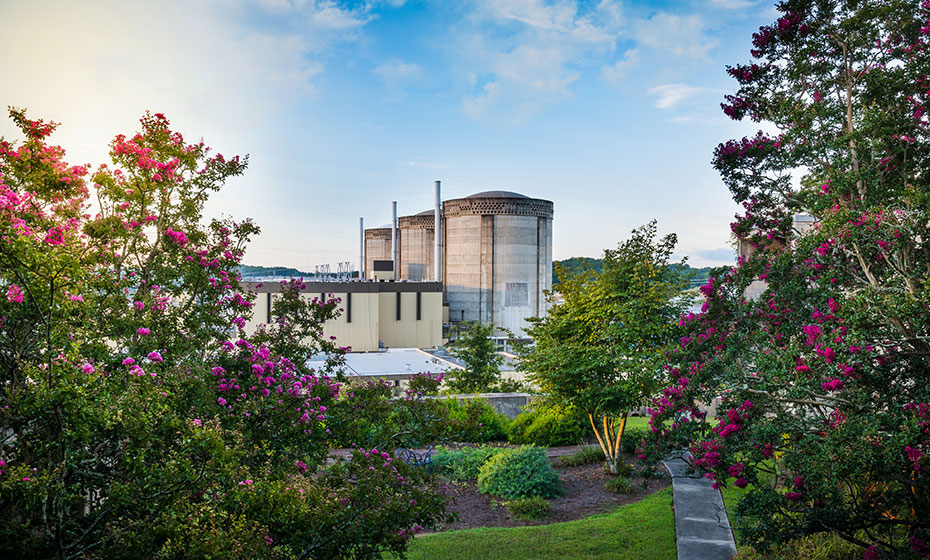
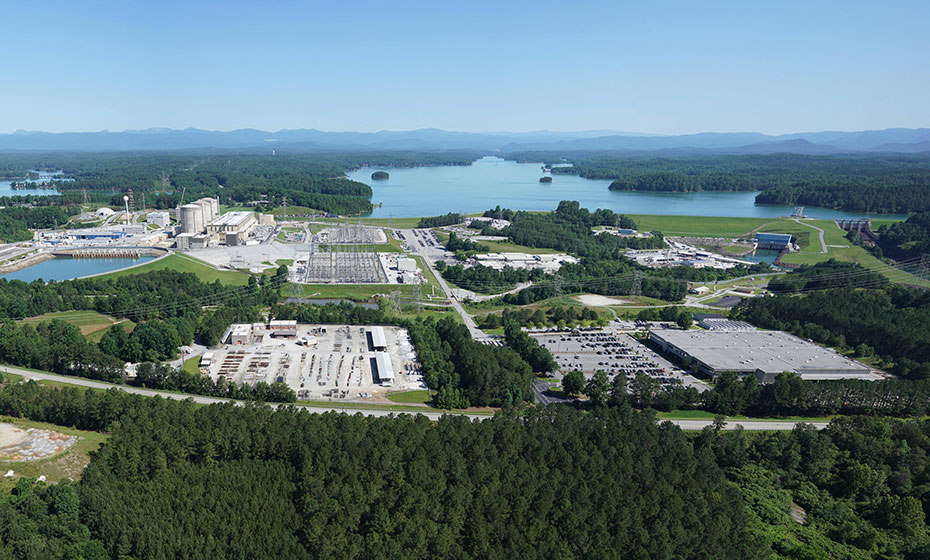
Located on Lake Keowee near Seneca, S.C., Oconee is Duke Energy’s largest nuclear station. Its three reactors generate more than 2,500 megawatts – enough to power 1.9 million homes.
The plant has a rich history of innovation, from launching the nation’s first accredited operator training program to achieving 17 consecutive years with a capacity factor exceeding 90%, meaning Oconee produces power at maximum capacity more than 90% of the time.
For Nader, who began her career as a mechanical engineer at Oconee in 1992, the plant holds special meaning. “It’s a beautiful location with incredible people,” she said. “The station is vital to the local community, providing stable employment and reliable power.”
Why extend nuclear plant licenses?
Duke Energy’s nuclear fleet provides 58% of the electricity used by customers in the Carolinas, producing around-the-clock, carbon-free power at some of the lowest costs in the nation.
This reliable energy source complements the company’s growing investments in renewables – intermittent resources that are only available at certain times of day – and battery storage, devices that store excess energy and then release it when customers need power.
Renewing nuclear licenses is also vital for economic stability. Duke Energy’s nuclear operations contributed over $289 million in property and payroll taxes to local communities in 2023, employing thousands of workers across six nuclear sites in North Carolina and South Carolina.
What’s more: Extending the life of a plant is “good for employee morale and helps in attracting new workers, because people can have confidence in the plant being a steady source of employment for many years to come,” POWER magazine reports.
The lifespan of nuclear reactors
While U.S. nuclear power plants are initially licensed to operate for 40 years, experience shows they can safely operate much longer with proper maintenance and inspections. Plant owners can choose to apply for license renewals to extend their operation for an additional 20 years at a time; almost all have done so once, allowing operation up to 60 years, and now many are pursuing a second renewal, potentially allowing them to operate for up to 80 years.

“License renewal is a business decision for companies,” said former Nuclear Engineering Director Greg Robison. “It’s not a technical thing. It’s not even a nuclear thing. These are megawatts of cost-effective electricity we can keep on the wire for our customers.”
Utilities that don’t pursue renewal can’t just walk away. They must shut down and decommission their plants – a lengthy, onerous process. It makes more sense, Robison said, to keep a well-maintained plant operating.
The U.S. Nuclear Regulatory Commission (NRC) thoroughly reviews each unit before issuing an extension of its operating license. Each reactor’s safety systems, maintenance records, operational history and environmental impacts are carefully evaluated to determine if it can safely operate for an additional 20 years or longer.
The road to subsequent license renewal
Oconee’s 4,000-page application – compiled years ahead of schedule – underwent rigorous scrutiny before earning approval in 2025. Advances in technology have streamlined some aspects of the process; drones can perform inspections that people once climbed ladders to do, but relicensing remains a labor-intensive effort.

A core team of 12 civil, electrical and mechanical engineers, as well as licensing and environmental specialists, work on Duke Energy’s subsequent license renewals. The application must be detailed, thorough, beyond reproach. “The regulator is very serious about reviews,” Nader said.
Duke Energy has been at the forefront of nuclear license renewal, pioneering industry standards in the early 2000s that have become the template for utilities nationwide. Experts like Robison, who helped develop these protocols, are now training the next generation of nuclear specialists to carry this critical work forward.
“I’m teaching people my kids’ age how to do this, which is great,” he said. “We need the next generation to embrace what we’ve done and continue the work.”
Looking ahead
Oconee’s successful (second) relicensing is the first step in a broader strategy to extend the life of Duke Energy’s entire nuclear fleet. These efforts will ensure that nuclear power continues to provide carbon-free, cost-effective energy through 2050 and beyond, enabling the company to maintain reliability while supporting the Carolinas’ growing energy needs.
For Nader, the plant’s relicensing is more than a technical milestone; it’s a testament to the enduring value of nuclear energy. “Nuclear is the foundation for the energy transition,” she said. “Renewing our licenses is absolutely necessary to meet our goals – and to deliver the affordable, reliable and increasingly clean energy our customers count on.”