When powerful storms knock out power, lineworkers from across the country travel to help Duke Energy restore power. But they need a place to rest before they can get to work. That’s where Melissa Sokolewicz comes in.
She doesn’t climb poles or repair wires – but without her, those who do wouldn’t have a bed to sleep in, a meal to eat or a place to regroup between long shifts.
“It’s about listening, adapting and finding solutions so crews have what they need to stay safe and keep going,” she said.
From record-keeper to storm leader
Sokolewicz began her 24-year Duke Energy career at the Ulmerton, Fla., training center, handling records for apprentice lineworkers. Over time, she took on roles in administration, energy efficiency, outage auditing and asset management. But it was the record-breaking 2004 hurricane season – when five storms hit the system – that sent her on a new path.
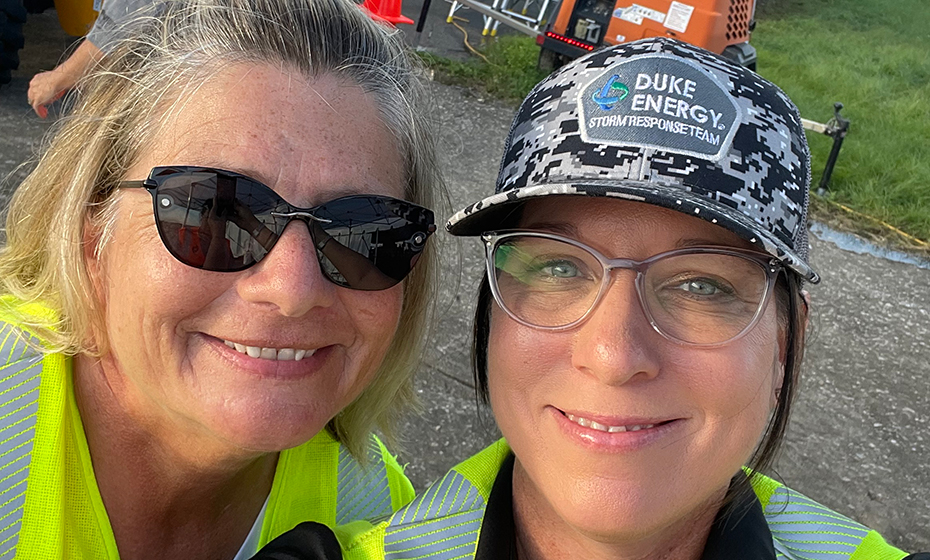
“They sent me out in the field to do logistics,” she recalled. “We didn’t have smartphones back then. You packed a bag for two weeks, printed out MapQuest directions and hoped you didn’t get lost.”
That experience sparked a passion that still drives her today. Now entering the 2025 storm season, she’s taken on a new leadership role as site lodging lead in Florida, responsible for coordinating a team that helps secure and assign sleeping arrangements for visiting crews.
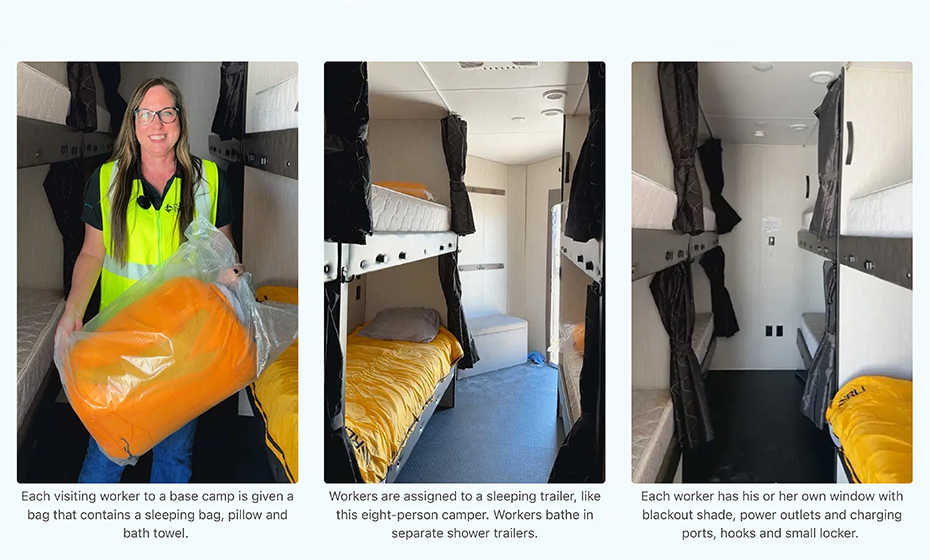
She has also worked as site management lead, helping to establish “staging sites” and “base camps,” which function as temporary support hubs for hundreds of out-of-state crews. Staging sites offer meals, restrooms and security before workers head to nearby hotels. Base camps go a step further with on-site sleeping trailers and shower facilities.
“It’s not glamorous,” Sokolewicz said, “but it’s safe, it’s clean and it’s home for a while.”
Planning for the unexpected
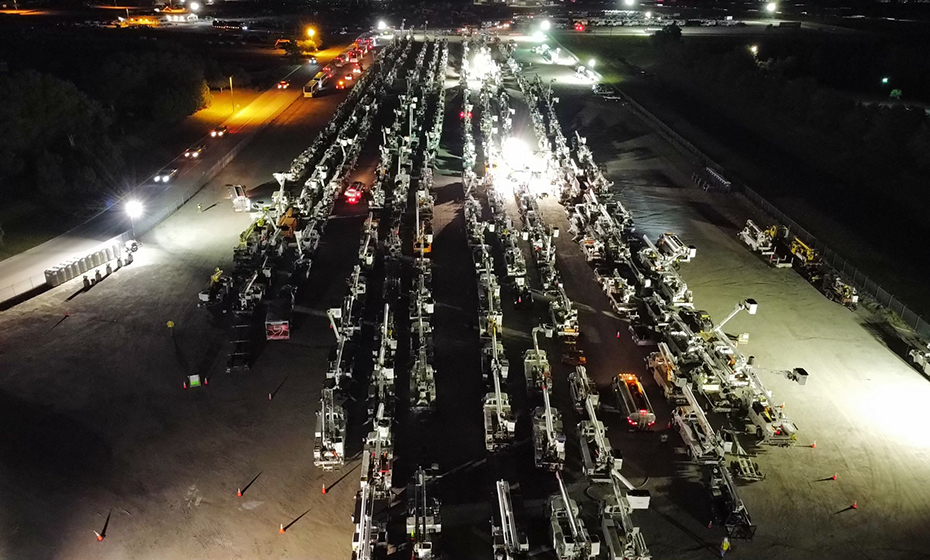
While Duke Energy generally follows a 72-hour storm preparation window, logistics teams often begin earlier – monitoring forecasts and checking in with vendors across the state to ensure trailers, kitchens, lighting and more are ready to deploy.
“We do a lot of planning in the offseason,” she said. “Workshops, scenarios, planning calls – we’re always trying to stay ahead.”
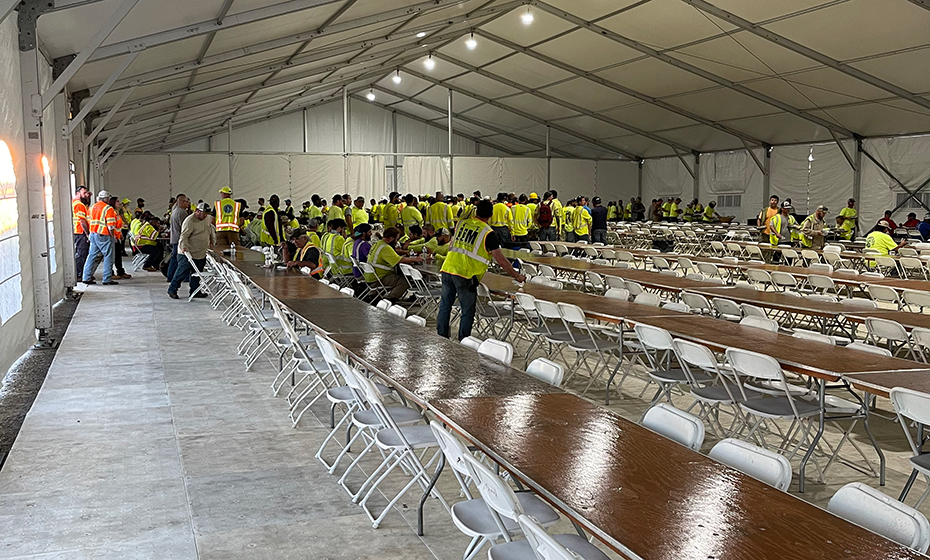
During Hurricane Milton in 2024, Sokolewicz managed more than a dozen staging sites and base camps. One of the biggest challenges? Adapting quickly when storm paths shift – especially when a 300-person site must expand to support 1,000 overnight.
“Can the vendor scale up? How quickly can they deliver? Do we have enough food and beds?” she said. “We have to make those decisions fast.”
At the end of the day, her mission is simple: full bellies, clean beds and rested boots ready to get the power back on.
Leading with heart
Sokolewicz stands out not just for her logistics skills, but for her people-first approach. She regularly checks in with crews on-site – asking how the food is, how the accommodations are and if anyone needs support.
“I’m a social butterfly and a fixer,” she said. “That helps me connect with people and understand what might need fixing.”
She recalled a moment from 2024 when a North Carolina crew arrived in Florida after weeks of storm response. They were exhausted and morale was low. So, when they asked for food for 500 people, Sokolewicz made it happen.
“They’d been sleeping in campers,” she said. “We had music, good food – just a chance for them to feel normal again. That meant a lot.”
Creating safe, inclusive spaces
As someone who’s spent her career in a traditionally male-dominated field, Sokolewicz works to ensure all visiting employees feel comfortable on-site.
“When I started, it was different. I was told, ‘You’re too young, you’re a girl, you’ll never get out of the admin world,’” she said. “That’s what drove me.
Now she makes sure lodging and facilities are inclusive, with designated spaces for women and open communication. Her advice to women interested in storm response? Be passionate, stay open-minded and build a strong support network.
“Last year, we worked 29 days straight – 18-hour days. This job isn’t for the weak,” she said. “But when you’re passionate about this company and what you’re doing, that’s what keeps you going.”
Everyone plays a part
Sokolewicz is quick to recognize that storm response involves more than the crews on the ground.
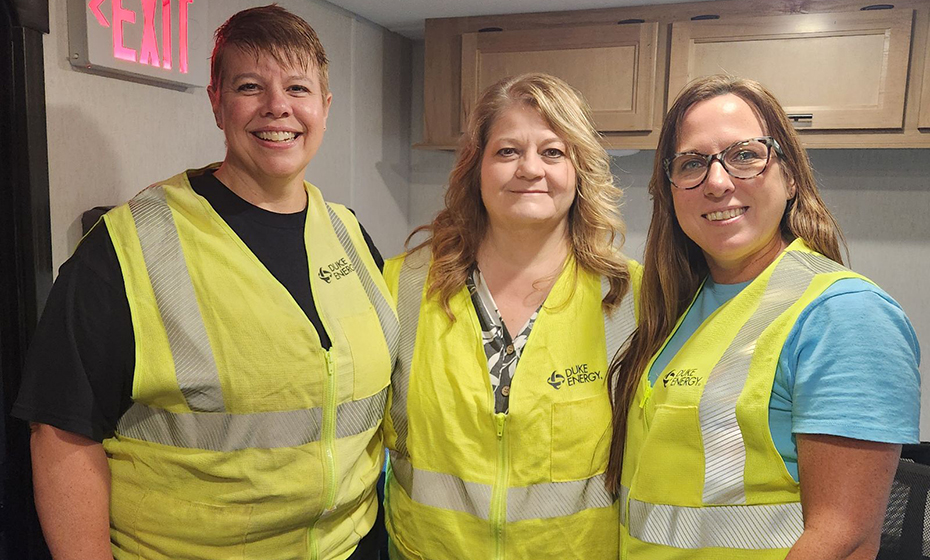
“It takes all of us,” she said. “From customer service to social media, to logistics and vendor coordination – every role matters.”
As Duke Energy prepares for the 2025 storm season, Sokolewicz is confident in the company’s progress.
“We’ve grown as an organization. We’ve got more people supporting staging sites. We’re ready.”
And when the next storm hits, she’ll be there – creating calm in the chaos.